
Macromastia (Large Breasts)

What is Macromastia?
Macromastia, or breast hypertrophy, is a condition characterised by excessively large breasts. The additional weight can lead to significant physical discomfort as well as emotional and psychological challenges.
Physical Symptoms
Women with macromastia commonly experience:
Chronic neck, shoulder and back pain
Poor posture and difficulty standing upright
Grooves or indentations from bra straps
Skin irritation or infections beneath the breast folds
Difficulty exercising or participating in physical activities
Emotional Impact
Macromastia can also affect confidence and quality of life, resulting in:
Self-consciousness or embarrassment
Difficulty finding well-fitting bras and clothing
Social or psychological stress related to body image

"Breast reduction surgery is one of the most fulfilling operations for me to perform as a surgeon. I may recommend it as part of treatment for breast cancer or to address macromastia symptoms."
– Dr Ben Green

"While cosmesis is a huge consideration for breast reduction surgery, my primary concern is about improving function and quality of life."
– Dr Beth Campbell
What is Breast Reduction Surgery?
Breast reduction surgery, also known as reduction mammoplasty, is a procedure designed to reduce the size and weight of large breasts.
In addition to relieving physical symptoms, breast reduction surgery improves breast shape and proportion, creating a more balanced appearance while aiming to improve function and quality of life.
Who is a Candidate for Breast Reduction?
You may be a suitable candidate for breast reduction surgery if:
You experience chronic neck, shoulder or back pain due to the size of your breasts.
Large breasts limit your ability to exercise or participate in physical activity.
You develop skin irritation or infections beneath the breasts.
Your breast size affects your confidence or quality of life.
You have realistic expectations about the outcome of surgery.
Large breasts often develop ptosis, the medical term for breast drooping.
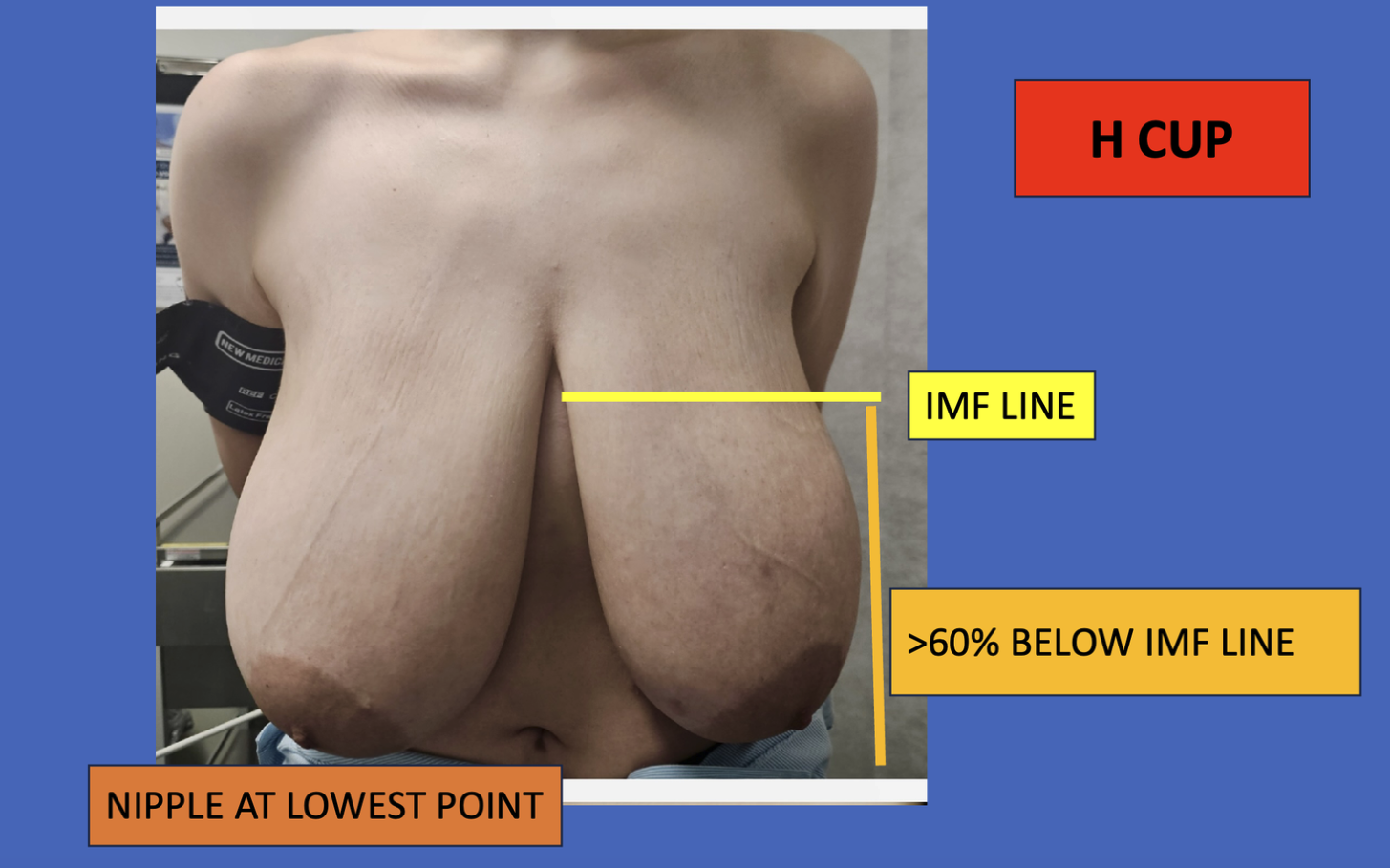
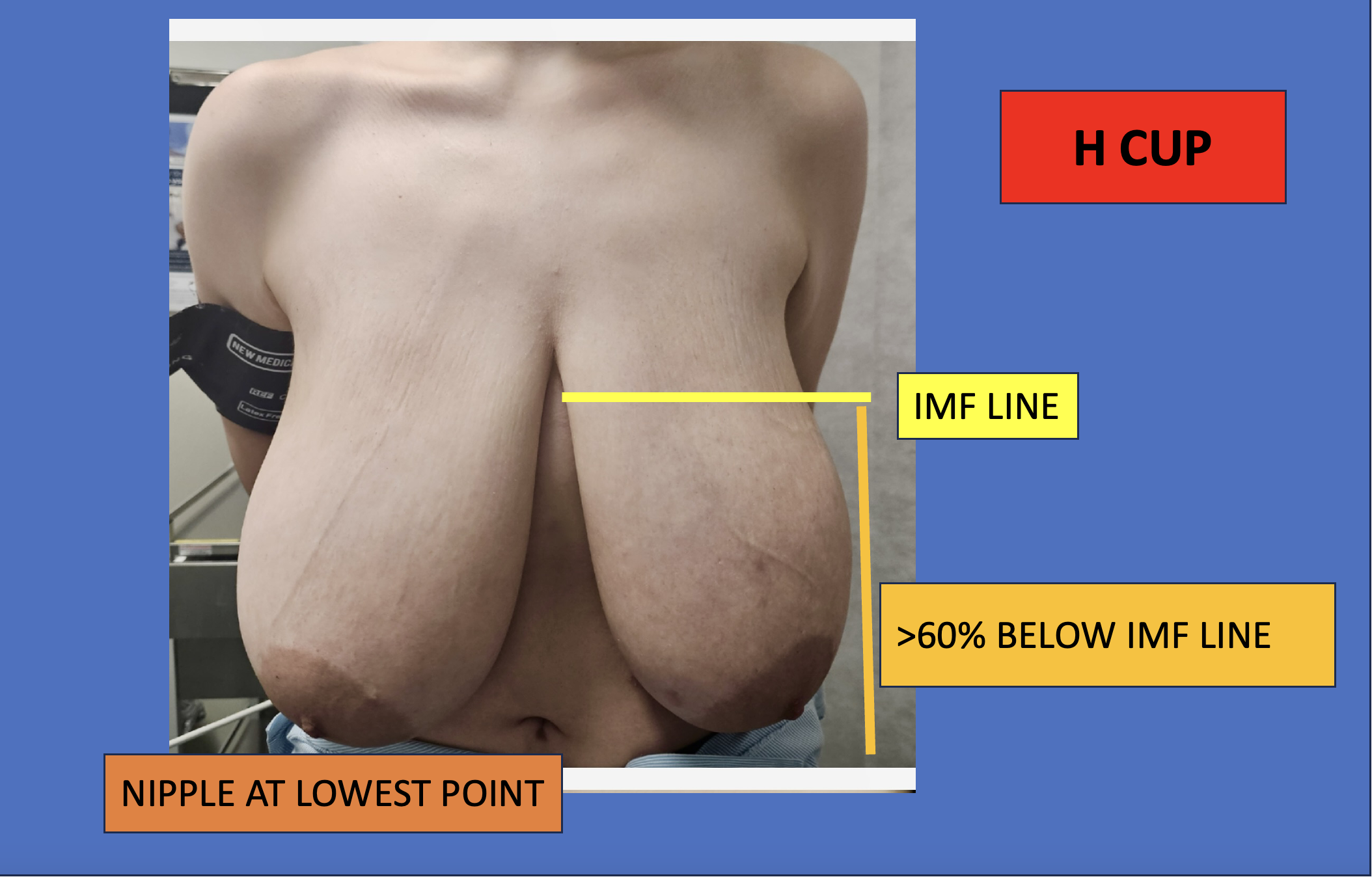
Ptosis is measured by assessing how much of the breast sits below the infra-mammary fold (IMF) — the natural crease where the breast meets the chest wall. For a Medicare rebate, more than 60% of the breast volume must lie below the infra-mammary fold.
Although women with breasts larger than a D cup commonly consider breast reduction surgery, cup size alone does not determine eligibility. If your breasts are causing pain or limiting your quality of life, breast reduction may be beneficial regardless of cup size.
Medicare Eligibility
Breast reduction surgery performed to relieve the symptoms of macromastia is not considered a cosmetic procedure when specific Medicare criteria are met.
Medicare (MBS Item No. 45523)
To qualify for a Medicare and private health fund rebate you must:
Have a referral from your General Practitioner.
Have documented neck pain, back pain or skin infections beneath the breasts recorded in your GP referral.
Have more than 60% of the breast volume below the infra-mammary fold.
Have the nipple positioned at the lowest point of the breast.
Breast reduction surgery may also be performed as part of breast cancer treatment. This is known as a therapeutic mammoplasty or therapeutic breast reduction.
What Scars are Involved?
Breast reduction surgery requires removal of both excess breast tissue and excess skin.
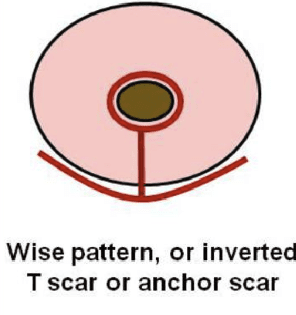
The most common technique is known as the Wise Pattern or Anchor Pattern breast reduction.
Although this approach results in longer scars, it provides the greatest control over breast shape and position.
During surgery:
The nipple and areola are repositioned to a higher, more natural position.
Enlarged areolas can be reduced to better match the new breast size.
While scars are permanent, they generally fade with time. Raised or widened scars can often be treated later if required. Achieving an attractive breast shape is usually prioritised over minimising scar length.
The Breast Reduction Procedure
Consultation
During your consultation your surgeon will assess your breast size, breast shape and overall health.
Your goals and expectations will be discussed, and pre-operative photographs will be taken.
Surgery
Breast reduction surgery is performed under a general anaesthetic and typically takes 2–4 hours.
During the procedure your surgeon will:
Remove excess breast tissue, fat and skin
Reduce the size and weight of the breasts
Reposition the nipple and areola into a more natural position
Recovery
Following surgery:
Your breasts will be bandaged.
Surgical drains may be inserted temporarily.
You'll wear a supportive surgical bra during healing.
Most patients return to work and light activities within 1–2 weeks.
Full recovery generally takes 4–6 weeks.
Scarring is a normal part of healing and gradually softens and fades over time.
Benefits of Breast Reduction Surgery
Many women experience significant improvements in their quality of life following surgery.
Potential benefits include:
Relief from chronic neck, shoulder and back pain
Improved posture
Greater ability to exercise and participate in physical activity
Reduced skin irritation beneath the breasts
Improved confidence and body image
Easier shopping for clothing and bras
Risks & Complications
As with any surgical procedure, breast reduction surgery carries some risks.
These include:
Permanent scarring
Temporary or permanent changes in nipple or breast sensation
Breast asymmetry or changes in breast shape
Wound healing problems
Infection
Potential difficulty breastfeeding in the future
Your surgeon will discuss these risks with you during your consultation.
Frequenty Asked Questions
-
Breast reduction surgery usually involves one or two nights in hospital, depending on your recovery.
-
The amount of breast tissue removed depends on your body shape, symptoms and desired breast size. Your surgeon will work with you to achieve a balanced and proportional result.
-
If macromastia is causing significant health problems, such as chronic pain or recurrent skin infections, Medicare and many private health insurers may contribute towards the procedure. Eligibility varies depending on your circumstances, and documentation of your symptoms and clinical photographs is often required. There is usually an out-of-pocket expense associated with surgery.
-
You'll notice an improvement immediately following surgery, although swelling takes time to settle. Final results are usually seen over the following few months as the breasts soften and settle into their new shape.
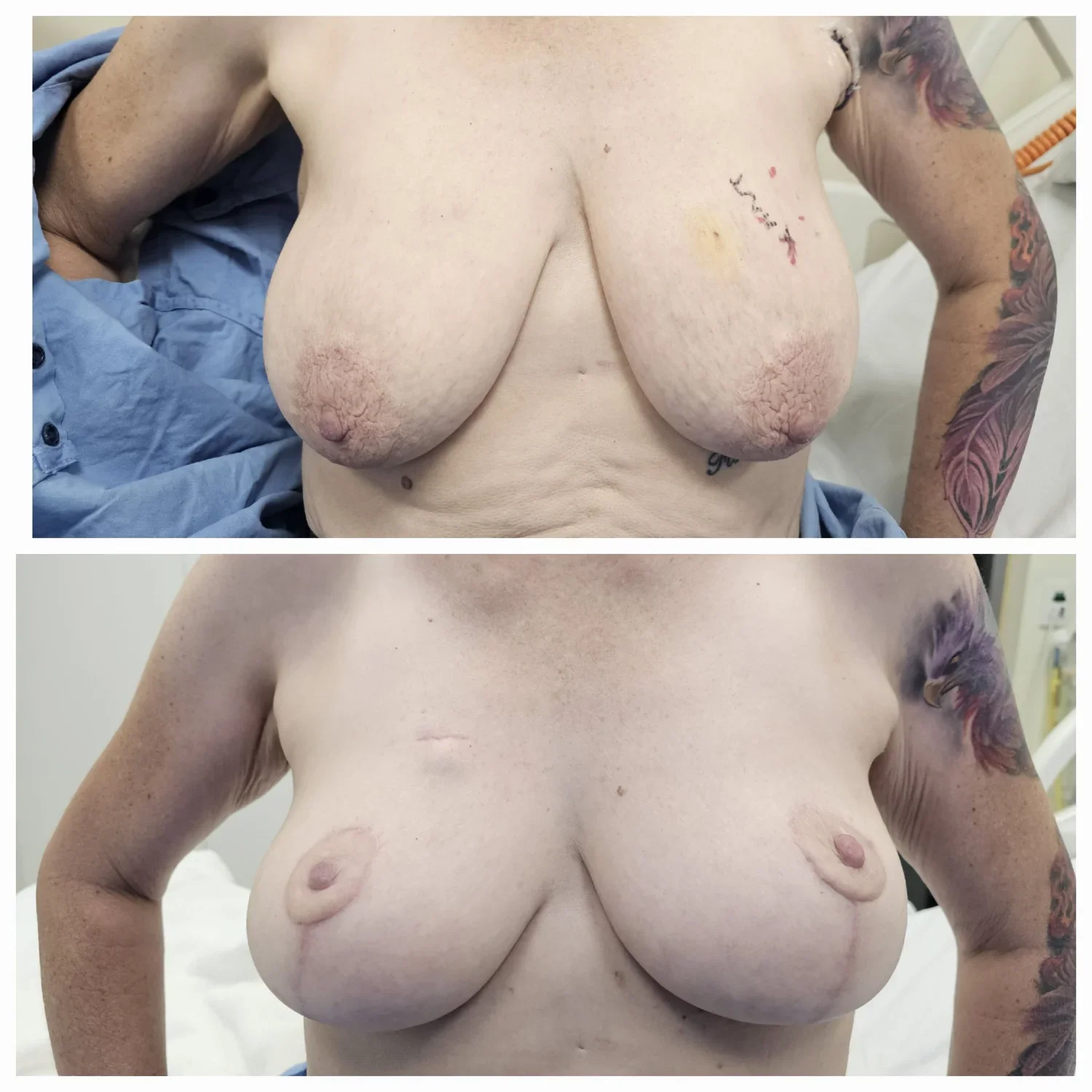
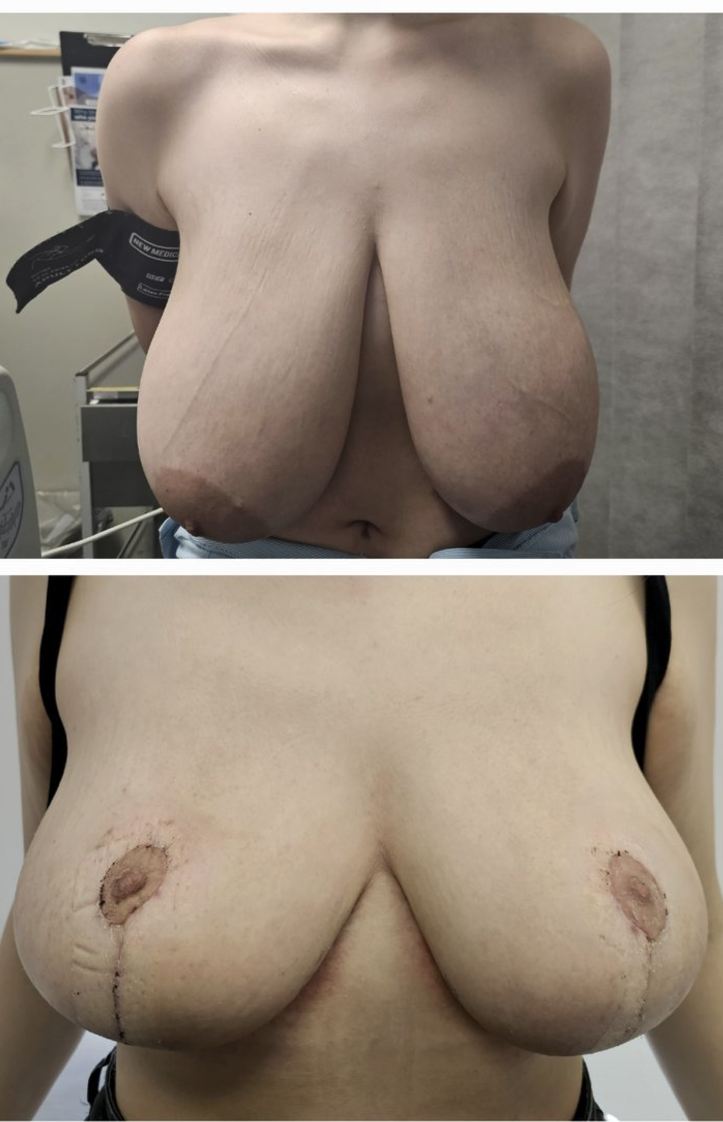
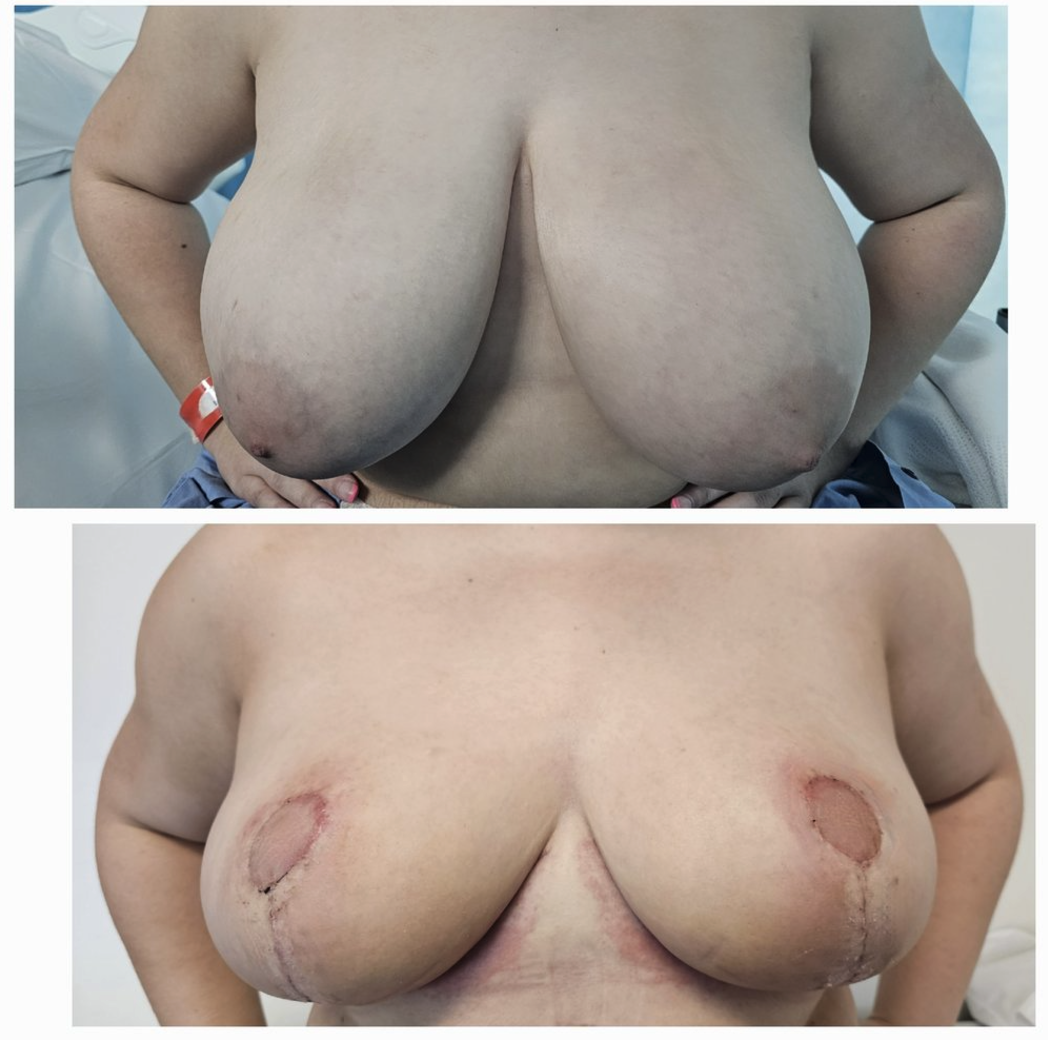
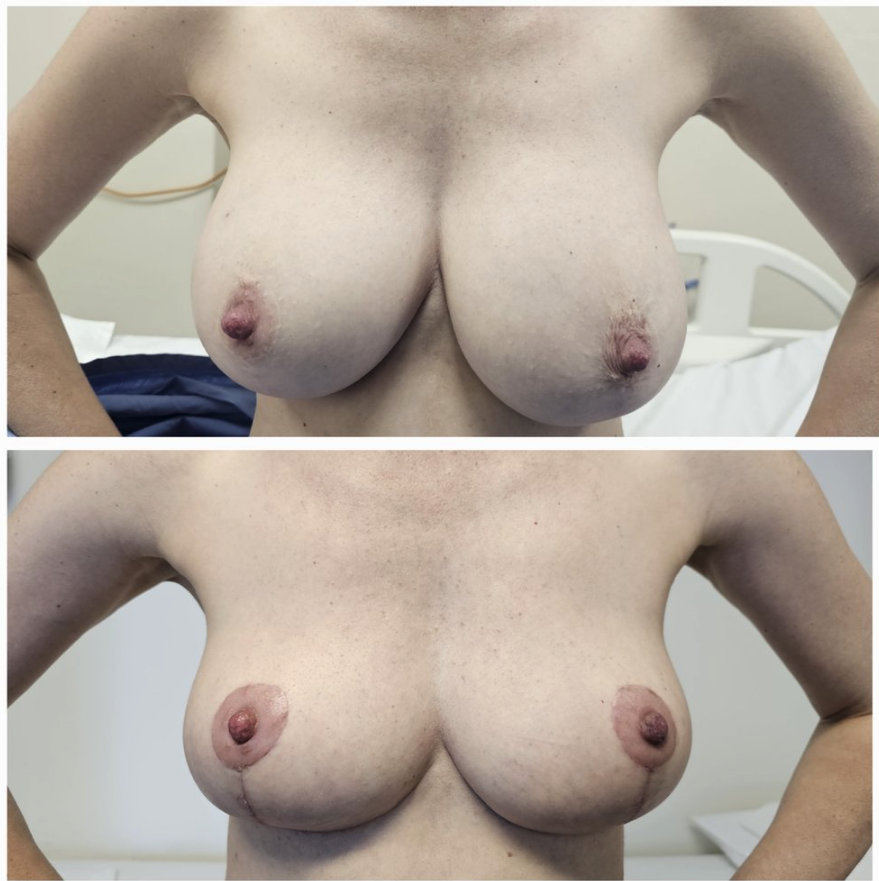
Before & After Surgery Photos
Please note this page contains clinical photos of the breast. An age restriction of 18+ applies.
Need Further Advice?
If large breasts are affecting your comfort, mobility or quality of life, the team at Brisbane Breast and Surgical Care can provide a comprehensive assessment and discuss whether breast reduction surgery is the right option for you.