
Early Breast Cancer

Understanding Early Breast Cancer
Early breast cancer refers to cancer that is confined to the breast or nearby lymph nodes and has not spread to other parts of the body. Detecting breast cancer early gives the best chance for successful treatment and long-term survival.
Treatment of early breast cancer usually involves a combination of therapies, including surgery to the breast and lymph nodes, radiotherapy, hormonal treatment and chemotherapy.
What is Early Breast Cancer?
Early breast cancer can be treated with different surgical approaches, depending on the size and shape of the breast, the location and characteristics of the tumour, and the individual patient's circumstances and preferences.
Breast Conservation / Lumpectomy / Wide Local Excision
These terms all mean the same thing and refer to the breast cancer being removed from the breast with a cuff of normal tissue surrounding it.
The remainder of the breast is left intact and the breast remodelled to maintain the cosmetic appearance.
This type of breast surgery is often combined with radiotherapy.
Mastectomy
This refers to removal of all of the breast tissue on one or both sides.
Reconstruction options may be possible after a mastectomy.
Radiotherapy is occasionally not required after mastectomy, although there is a benefit to having radiotherapy in some women given several more aggressive factors seen in the tumour.
There are advantages and disadvantages to both of these broad surgical options and your doctor may recommend that you are suitable for a particular approach once they assess your breast size and shape and your tumour.
Some women may also have a personal preference for one option over another.
Types of Early Breast Cancer
Types of early breast cancer include:
Ductal Carcinoma In Situ (DCIS)
A non-invasive form of cancer where abnormal cells are confined to the milk ducts.
DCIS is considered Stage 0 breast cancer and has not spread beyond the ducts.
Invasive Breast Cancer (Stages I and II)
Cancer cells have spread beyond the ducts or lobules into nearby breast tissue but are limited to the breast and nearby lymph nodes.
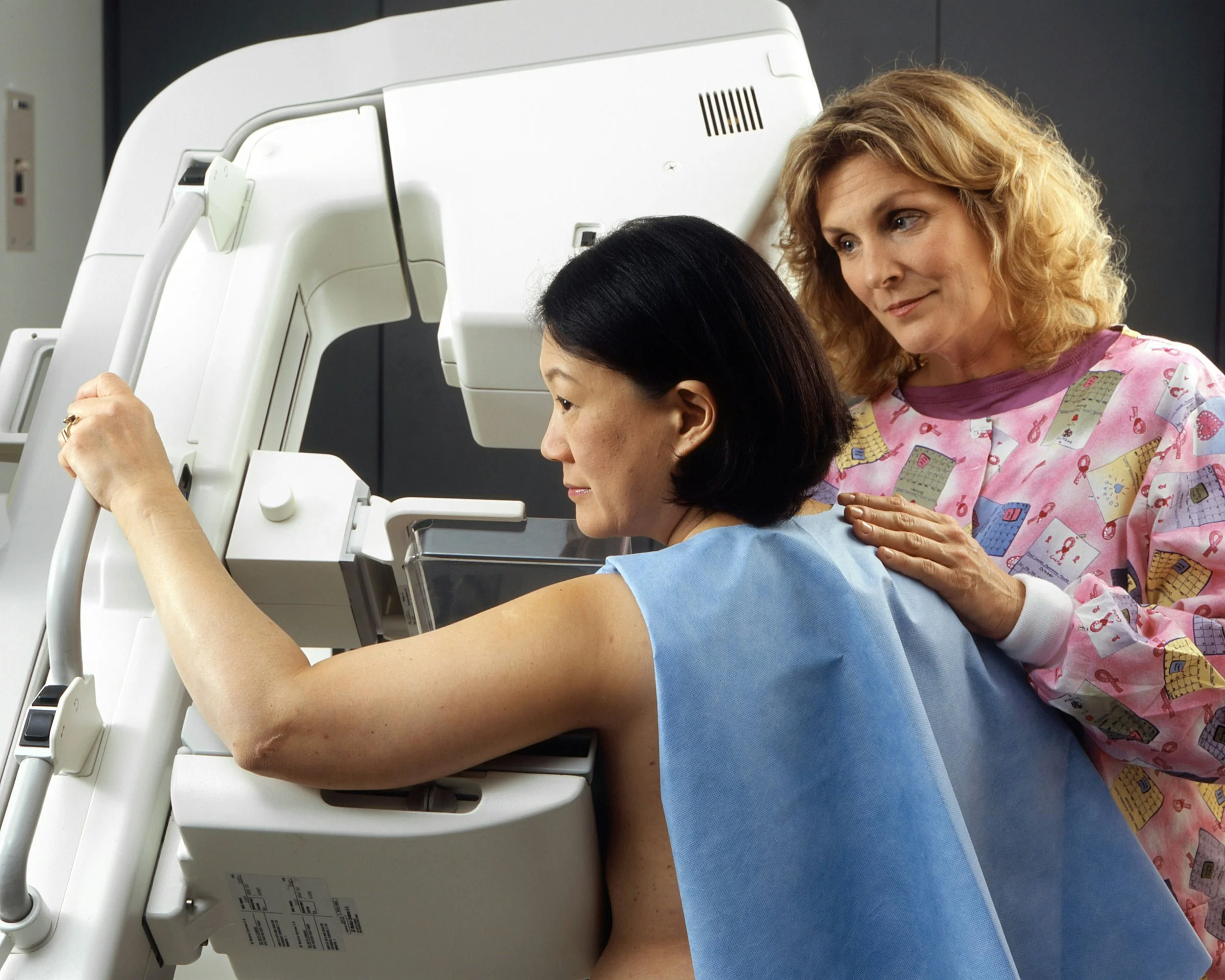
Diagnosis of Early Breast Cancer
If breast cancer is suspected, your doctor may order a series of tests to confirm the diagnosis:
Mammogram
An X-ray of the breast used to detect abnormal areas that may indicate cancer.
Ultrasound
Uses sound waves to create images of breast tissue and may be used to further evaluate abnormalities found on a mammogram.
Biopsy
A sample of breast tissue is taken and examined under a microscope to determine if cancer cells are present.
Breast Contrast Mammogram, MRI or CT
A detailed imaging scan that can be used to assess the extent of the cancer.
Once breast cancer is confirmed, additional tests such as lymph node biopsies or imaging scans may be done to determine if the cancer has spread.
Symptoms of Early Breast Cancer
In its early stages, breast cancer may not cause noticeable symptoms. However, some women may notice the following signs:
A lump or thickening in the breast or underarm.
Changes in breast shape or size.
Dimpling or puckering of the skin on the breast.
Nipple discharge (other than breast milk), particularly if it is bloody.
Inversion of the nipple or changes in its appearance.
Redness, scaliness or thickening of the nipple or breast skin.
It is important to remember that these symptoms can be caused by conditions other than breast cancer.
If you notice any changes in your breasts, it is important to consult your healthcare provider for evaluation.
Staging of Early Breast Cancer
Breast cancer staging describes how far the cancer has spread and helps guide treatment decisions.
Stages of early breast cancer include:
Stage 0 (DCIS)
Abnormal cells are confined to the milk ducts and have not spread into surrounding breast tissue.
Stage I
The tumour is small, up to 2 cm, and may have spread to nearby lymph nodes but not to distant parts of the body.
Stage II
The tumour is larger, between 2 cm and 5 cm, or has spread to a small number of nearby lymph nodes.
Treatment of Early Breast Cancer
Treatment for early breast cancer typically involves a combination of therapies tailored to the individual.
Options include:
Surgery
Lumpectomy (Breast-Conserving Surgery)
The tumour and a small margin of surrounding healthy tissue are removed, preserving most of the breast.
Mastectomy
The entire breast is removed. In some cases, a double mastectomy may be recommended to reduce the risk of cancer returning.
Sentinel Lymph Node Biopsy
A few lymph nodes are removed to check if the cancer has spread.
Axillary Lymph Node Dissection
More lymph nodes are removed if cancer has been found in the sentinel nodes.
Radiation Therapy
Often used after surgery to destroy any remaining cancer cells in the breast, chest wall or lymph nodes.
It is typically recommended after a lumpectomy and sometimes after a mastectomy.
Hormone Therapy
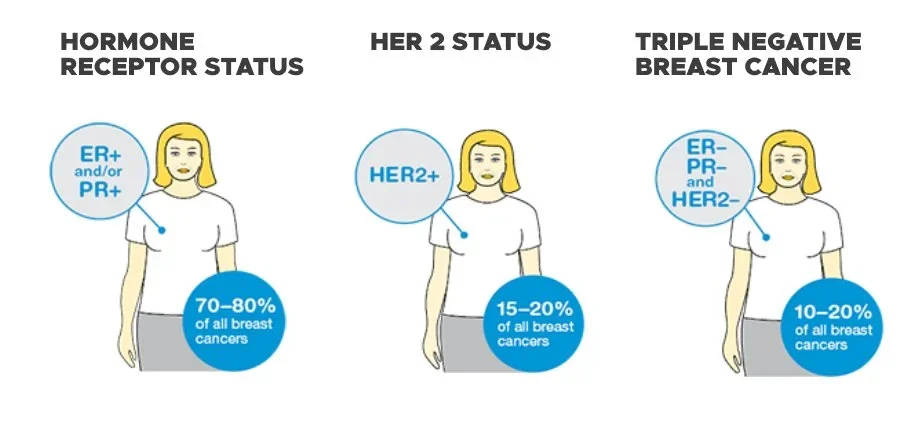
If the cancer is hormone receptor-positive (ER+ or PR+), hormone therapy may be prescribed to block oestrogen, which fuels the growth of some breast cancers.
Medications like tamoxifen or aromatase inhibitors are commonly used.
Chemotherapy
Chemotherapy may be recommended if there is a higher risk of recurrence, based on the size of the tumour, the involvement of lymph nodes or the aggressiveness of the cancer.
Targeted Therapy
For HER2-positive breast cancers, targeted therapies like trastuzumab (Herceptin) or pertuzumab (Perjeta) are used to block the HER2 protein, which promotes cancer cell growth.
Prognosis for Early Breast Cancer
Early breast cancer has a favourable prognosis, especially when detected at an early stage and treated promptly.
The 5-year survival rate for Stage I breast cancer is nearly 100%, and for Stage II, it ranges from 90–99%, depending on the tumour's size and lymph node involvement.
Factors that influence prognosis include:
Tumour size and grade (how aggressive the cancer cells appear under a microscope).
Whether cancer has spread to lymph nodes.
Hormone receptor status (whether the cancer cells rely on hormones like oestrogen to grow).
HER2 status (whether the cancer overproduces the HER2 protein).
Follow-Up Care and Monitoring
After completing treatment for early breast cancer, regular follow-up care is crucial for monitoring any recurrence and managing long-term side effects.
Your follow-up plan may include:
Regular physical exams and mammograms.
Monitoring for any new symptoms or changes in your health.
Discussions about lifestyle changes to reduce the risk of recurrence, such as maintaining a healthy weight, eating a balanced diet and staying physically active.
Reducing the Risk of Recurrence
While there are no guarantees, certain steps can help lower your risk of breast cancer returning:
Maintain a healthy lifestyle: Eat a balanced diet rich in fruits, vegetables, whole grains and lean proteins.
Exercise regularly: Engage in at least 150 minutes of moderate physical activity per week.
Limit alcohol consumption: Alcohol is linked to an increased risk of breast cancer recurrence.
Avoid smoking: Smoking can negatively affect your overall health and increase the risk of other cancers.
Follow your treatment plan: Continue any prescribed therapies, such as hormone therapy, as recommended by your doctor.
Key Points to Remember
Early breast cancer is confined to the breast or nearby lymph nodes and is highly treatable.
Regular breast screenings and early detection improve survival rates.
Treatment options may include surgery, radiation, hormone therapy, chemotherapy and targeted therapy.
Lifestyle changes and follow-up care are important for reducing the risk of recurrence and maintaining long-term health.
If you have been diagnosed with early breast cancer, it is important to discuss all your treatment options and ask any questions you may have with your healthcare team.
Frequenty Asked Questions
-
Early breast cancer refers to cancer that is confined to the breast or nearby lymph nodes and has not spread to other parts of the body.
-
Treatment typically involves a combination of therapies tailored to the individual. Options may include surgery, radiation therapy, hormone therapy, chemotherapy and targeted therapy.
-
There are advantages and disadvantages to both breast conservation and mastectomy. Your doctor may recommend that you are suitable for a particular approach after assessing your breast size and shape and your tumour.
Some women may also have a personal preference for one option over another.
-
Radiotherapy is often used after surgery to destroy any remaining cancer cells in the breast, chest wall or lymph nodes.
It is typically recommended after a lumpectomy and sometimes after a mastectomy.
-
A sentinel lymph node biopsy involves removing a few lymph nodes to check if the cancer has spread.
If cancer has been found in the sentinel nodes, an axillary lymph node dissection may be performed, where more lymph nodes are removed.
-
Factors that influence prognosis include tumour size and grade, whether cancer has spread to lymph nodes, hormone receptor status and HER2 status.
-
Regular follow-up care is crucial for monitoring any recurrence and managing long-term side effects.
Your follow-up plan may include regular physical exams and mammograms, monitoring for new symptoms or changes in your health, and discussions about lifestyle changes.
Helpful Resources
Need Further Advice?
If you have been diagnosed with early breast cancer, it is important to discuss all your treatment options and ask any questions you may have with your healthcare team.
The appropriate treatment approach will depend on your individual circumstances, including your tumour, breast size and shape, and whether the cancer has spread to nearby lymph nodes.