
Hormone-Positive Breast Cancer

Understanding Hormone-Receptor-Positive Breast Cancer
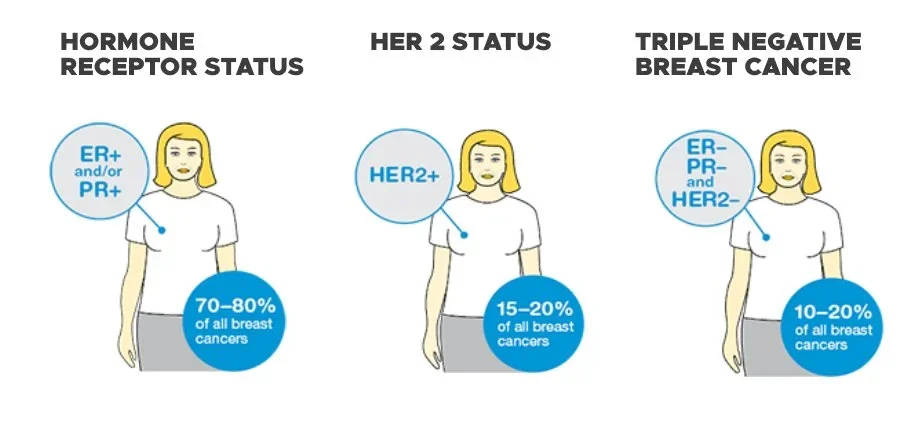
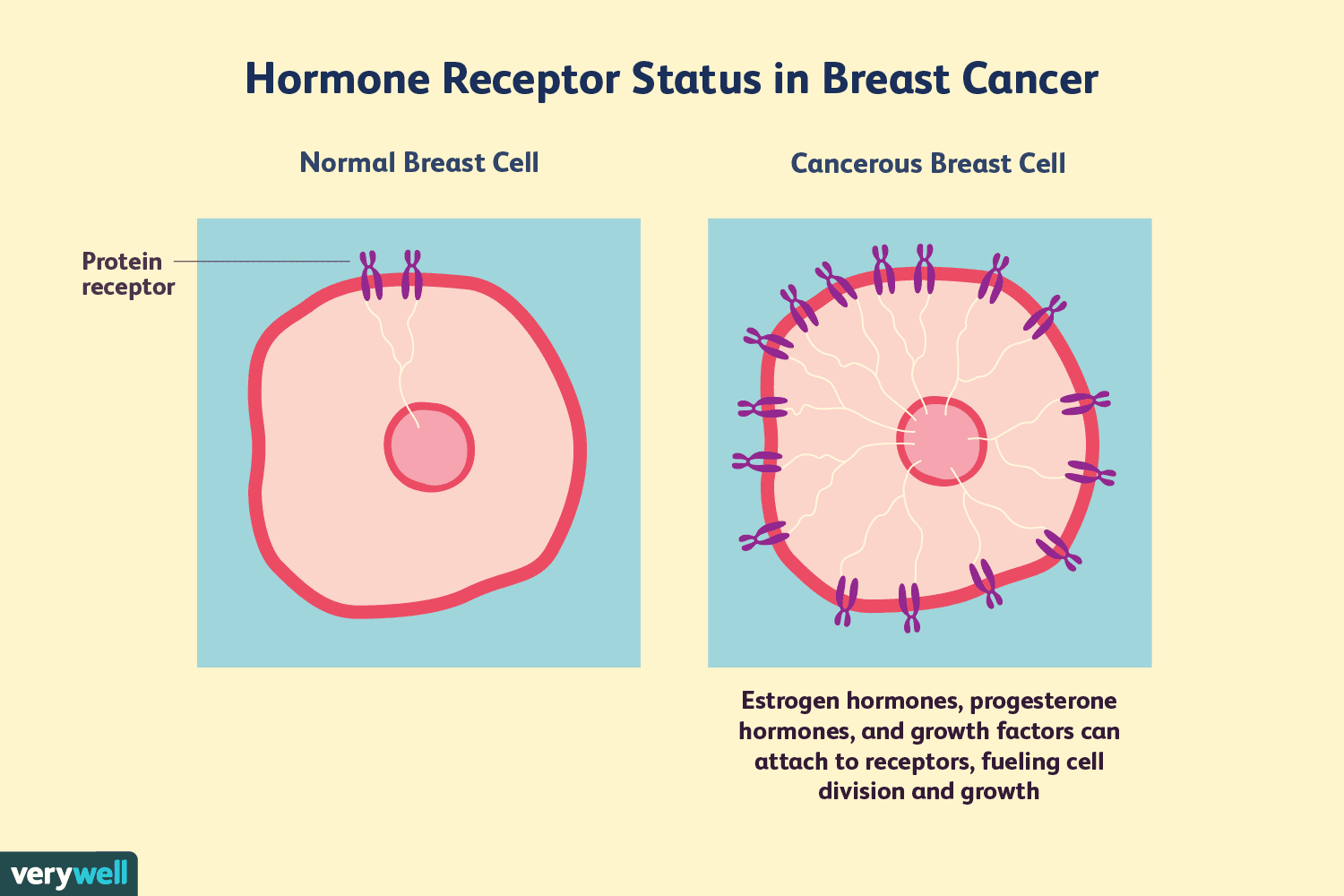
Hormone-Receptor-Positive Breast Cancer is a type of breast cancer where cancer cells have receptors for the hormones estrogen (ER) and/or progesterone (PR). These hormones can bind to the receptors on cancer cells and fuel their growth.
Approximately 70% of breast cancers are hormone-receptor-positive, making it one of the most common types of breast cancer. This type generally grows more slowly and is highly responsive to hormonal (endocrine) therapies
Who is at Risk?
While the exact cause is not known, certain factors may increase the risk of hormone-receptor-positive breast cancer:
Age: Most common in women over 50.
Genetic factors: Family history of breast cancer may increase risk.
Lifestyle factors: Alcohol consumption, hormone replacement therapy and obesity may contribute.
How is Hormone-Receptor-Positive Breast Cancer Diagnosed?
Diagnosing hormone-receptor-positive breast cancer involves a series of steps:
Breast Examination
Your healthcare provider will check for lumps or other changes.
Imaging Tests
Mammograms, ultrasounds, CTs or MRIs provide detailed images of the breast tissue.
Biopsy
A tissue sample is taken and tested to identify hormone receptor status, confirming whether cancer cells are estrogen and/or progesterone receptor-positive.
Treatment Options for Hormone-Receptor-Positive Breast Cancer
Treatment for hormone-receptor-positive breast cancer typically combines hormone therapy with other methods like surgery, radiation and/or chemotherapy.
The specifics depend on the stage and unique characteristics of the cancer.
Hormone Therapy
Tamoxifen
Blocks estrogen receptors on cancer cells, preventing estrogen from promoting growth.
Aromatase Inhibitors (AIs)
Lower estrogen levels in postmenopausal women by blocking estrogen production.
Common AIs include anastrozole, letrozole and exemestane.
Ovarian Suppression
For premenopausal women, this method reduces estrogen production by suppressing ovarian function, often using medications or surgery.
Surgery
Lumpectomy
Removes only the tumour and a small margin of surrounding tissue.
Mastectomy
Removes one or both breasts to treat more extensive cancer.
Lymph Node Removal
Checks for cancer spread in nearby lymph nodes.
Chemotherapy
Sometimes used before surgery (neoadjuvant) to shrink tumours or after surgery (adjuvant) to prevent recurrence, especially in higher-stage hormone-receptor-positive cancers.
Radiation Therapy
Often used after surgery to destroy remaining cancer cells in the breast or chest wall, reducing the risk of recurrence.

Managing Life with Hormone-Receptor-Positive Breast Cancer
Side Effects of Treatment
Side effects vary by treatment type and can include hot flashes, fatigue, joint pain, mood changes and bone density loss.
Speak with your healthcare team for strategies to manage these side effects.
Follow-Up Care
Routine follow-up care with imaging and physical exams is essential.
Ongoing hormone therapy may continue for several years to help prevent recurrence, and regular monitoring is key to addressing any issues that arise.
Lifestyle Support
Maintaining a balanced diet, staying physically active and practising stress relief can improve quality of life during and after treatment.

Support and Resources
Facing hormone-receptor-positive breast cancer can be overwhelming, but many resources are available.
Support Groups
Connecting with others who have had similar experiences can provide valuable support.
Cancer Support Services
Hospitals often offer counselling, physical therapy and nutrition support.
You will have a Breast Care Nurse as part of your journey through breast cancer treatment.
Their role is to guide you through the maze of appointments and treatments, to be a source of emotional and physical support and your point of contact for questions and concerns now and in the future.
Questions for Your Doctor
You may wish to ask your healthcare team:
What stage is my hormone-receptor-positive breast cancer?
What are the benefits and risks of each treatment option?
How long will I need hormone therapy?
Frequenty Asked Questions
-
Hormone-Receptor-Positive Breast Cancer is a type of breast cancer where cancer cells have receptors for the hormones estrogen (ER) and/or progesterone (PR).
These hormones can bind to the receptors on cancer cells and fuel their growth.
-
Approximately 70% of breast cancers are hormone-receptor-positive, making it one of the most common types of breast cancer.
-
Diagnosis involves a breast examination, imaging tests such as mammograms, ultrasounds, CTs or MRIs, and a biopsy.
The biopsy is tested to identify hormone receptor status and confirm whether the cancer cells are estrogen and/or progesterone receptor-positive.
-
Treatment typically combines hormone therapy with other methods such as surgery, radiation and/or chemotherapy.
The specifics depend on the stage and unique characteristics of the cancer.
-
Hormone therapy is used to treat hormone-receptor-positive breast cancer by preventing hormones such as estrogen from promoting the growth of cancer cells.
Treatment may include tamoxifen, aromatase inhibitors or ovarian suppression, depending on the individual circumstances.
-
Ongoing hormone therapy may continue for several years to help prevent recurrence. Your healthcare team will discuss the appropriate treatment duration with you.
-
Side effects vary by treatment type and can include hot flashes, fatigue, joint pain, mood changes and bone density loss.
Speak with your healthcare team for strategies to manage these side effects.
-
Support groups and cancer support services can provide valuable support. Hospitals may also offer counselling, physical therapy and nutrition support.
You will also have a Breast Care Nurse as part of your journey through breast cancer treatment, who can provide emotional and physical support and be your point of contact for questions and concerns.
Helpful Resources
Need Further Advice?
Facing hormone-receptor-positive breast cancer can be overwhelming, but many resources are available to support you throughout your treatment.
If you have been diagnosed with hormone-receptor-positive breast cancer, discuss your treatment options and any questions you may have with your healthcare team.
Many people with hormone-receptor-positive breast cancer live long, healthy lives after treatment. With early detection and advances in therapy, outcomes for hormone-receptor-positive breast cancer are better than ever.