
Breast Implant Removal (Explantation)
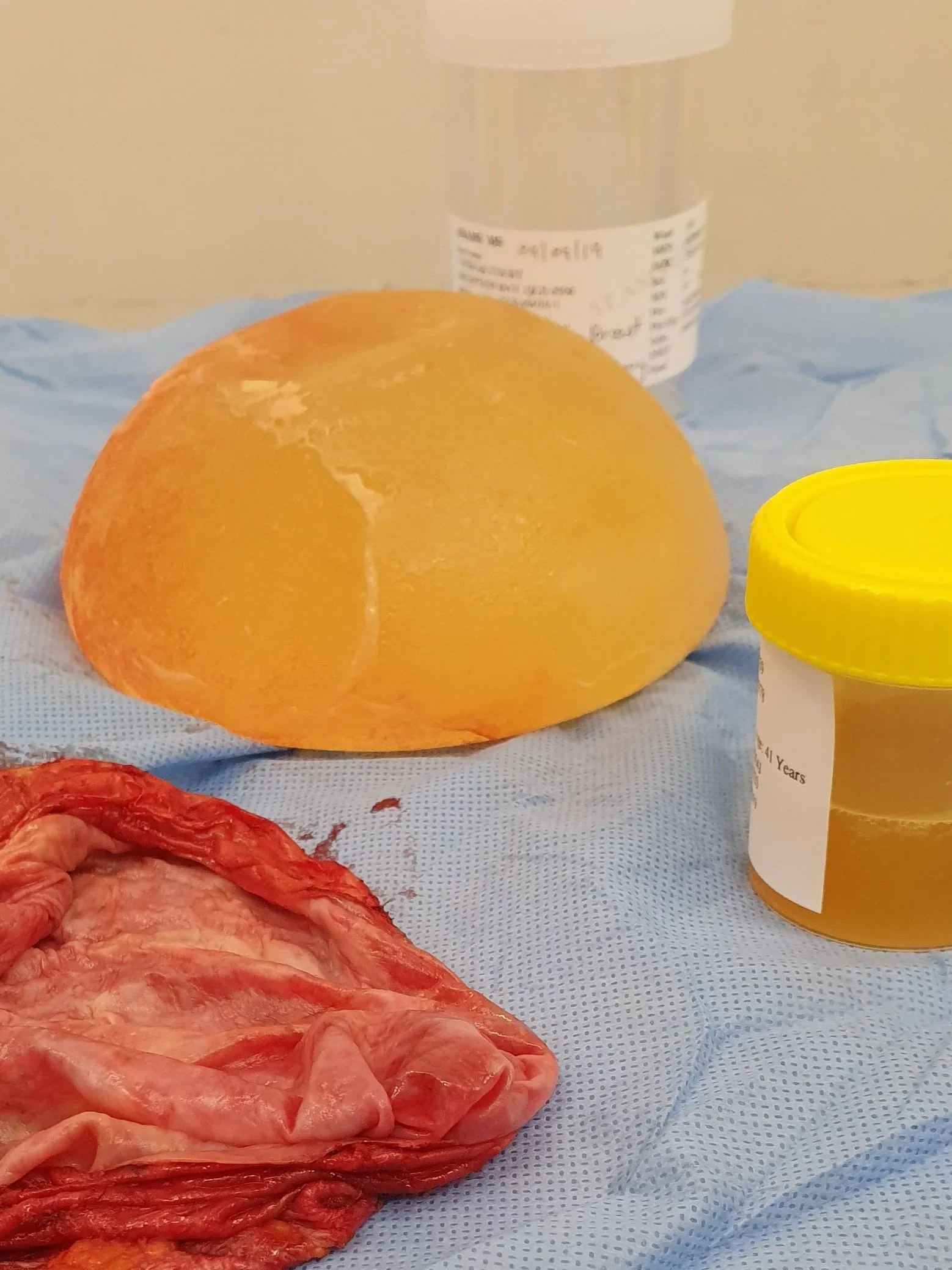
Considering Breast Implant Removal – What Do You Need to Know?
About 20,000 breast augmentations are performed in Australia each year. Many young women choose to undergo this surgery for a variety of personal reasons, including aesthetic preferences and self-confidence.
However, it is essential to keep in mind that all breast implants may eventually need to be removed at some point in time. This is a significant decision to contemplate, similar to the initial choice of getting the implants.
There are several reasons you might consider removing your implants, along with important factors to weigh carefully before proceeding with this type of surgery.
This information aims to help you make a well-informed choice that aligns with your personal needs and situation.
What are the Common Reasons People Want Their Implants Removed?
Reasons for considering breast implant removal can vary and are personal.
Capsular Contracture
A condition where scar tissue tightens around the implant, causing discomfort, pain and changes in appearance.
Implant Rupture or Leakage
Damage to the implant that can result in deflation for saline implants, or changes in shape or firmness for silicone implants.
Changes in Aesthetic Preferences
A desire to change breast size, shape or appearance, or a preference for a more natural look.
Health Concerns
Worries about potential health risks, including conditions like Breast Implant Illness (BII) or Breast Implant-Associated Anaplastic Large Cell Lymphoma (BIA-ALCL).
Ageing of Implants
Implants do not last a lifetime. As they age, the risk of complications increases, leading some people to remove or replace them.
Pain or Discomfort
Chronic pain or discomfort associated with the implants, particularly during exercise or daily activities.
Weight Changes or Pregnancy
Significant body changes can alter breast appearance, prompting some people to remove or adjust their implants.
Breast Sagging (Ptosis)
Age-related changes or gravity can cause breasts to sag, leading to dissatisfaction with implant appearance.
Financial Costs of Maintenance
The potential long-term costs of monitoring, replacing or repairing implants can prompt removal.
Lifestyle or Physical Activity
Some people find implants interfere with certain activities or feel they affect comfort during exercise or physical work.
Many people opt for implant removal as a personal decision based on a combination of these factors.
Careful discussion with your local doctor and surgeon is advised. Take time to think over the decision and consider second opinions if you are unsure.
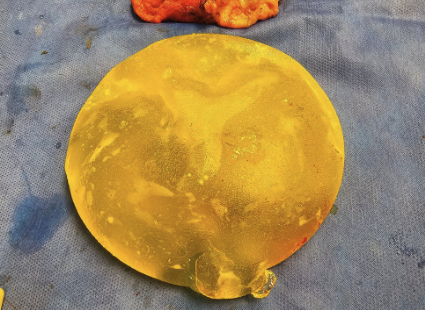
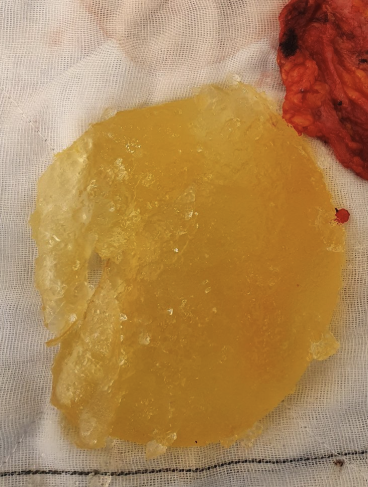
A ruptured implant.
Are My Implants at Risk of BIA-ALCL?
BIA-ALCL is linked to textured breast implants, with no cases found in smooth implants. The risk of BIA-ALCL depends on the type of textured implant you have.
Reported risks include:
Allergan – 1 in 3,000
Silimed – 1 in 10,000
Mentor – 1 in 14,000–64,000
I Have Developed a Complication From My Breast Implant. What Are My Options?
If there is a problem such as a rupture or contracture, it may be necessary to remove the implant to address the issue effectively.
At this point, you will need to carefully decide if you want the implant to be replaced with a new one or if you prefer to simply have it removed altogether.
If you choose to proceed with removal without opting for a replacement, it is important to consider that a breast lift might be necessary to maintain the overall appearance and contour of your breast.
If you are looking at implant replacement, Dr Green and Dr Campbell advise contacting your original Plastic Surgeon, as they do not perform primary breast augmentation (breast implant insertion).
My Implants Have Been in Place for 10 Years. Do I Need to Change or Remove Them?
You do not need to remove your breast implant if it is not causing any significant issues or complications.
However, it is important to remember that after a period of 10 years, the chance of rupture may gradually increase, so it becomes crucial to monitor them closely.
As long as the implants remain intact and there are no problems, they can continue to stay in place safely and effectively.
Regular check-ups can help ensure that everything is functioning as it should.
My Health Has Been Deteriorating and I Think I Have Breast Implant Illness (BII). What Should I Do?
There is no specific test to determine if the implants are causing your symptoms.
Removing the implants may not improve your symptoms.
Start by discussing your symptoms with your GP to ensure the necessary tests have been done.
If no cause is found and you remain concerned, talk to your GP about referring you for a discussion on implant removal surgery related to Breast Implant Illness (BII).
Brisbane Breast and Surgical Care have significant experience in implant removal surgery and can address your concerns openly and respectfully.
What is Involved in Breast Implant Removal Surgery?
Explant surgery is performed under a general anaesthetic, which typically necessitates an overnight stay in the hospital for monitoring and recovery.
The important aspects of this surgical procedure include not only the careful removal of the implant and the surrounding capsule that encases it, but also the meticulous reformation of the breast to ensure a natural shape and aesthetic appearance after the implant's removal.
Will the Capsule be Removed?
Breast implant surgery, a procedure that involves the careful removal of both the implant and the surrounding capsule, is an essential step in ensuring the health and safety of patients.
This process is of particular importance when dealing with textured implants, as there is a slight risk associated with Breast Implant-Associated Lymphoma (BIA-ALCL).
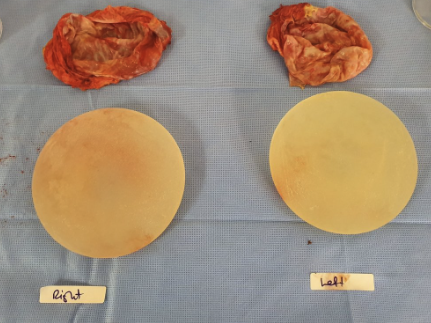
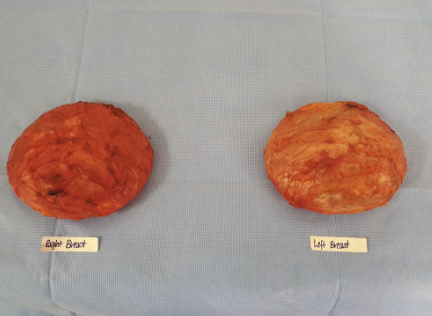
The primary objective is to remove both the capsule and the implant in a manner that is often referred to as 'en-bloc', effectively minimising any potential complications.
Dr Green and Dr Campbell are dedicated to meticulously performing this technique in every surgical case and will take the time to explain the procedure in detail during your appointment.
Following the surgery, the capsule will be sent for testing to check for any abnormalities, ensuring thorough monitoring of your health.
Additionally, photos of the implant and capsules will be taken and these images can be made available to you upon request should you wish to have them for your records.
Will My Ribs Need to be Scraped?
No, they won't.
The capsule can stick to the chest wall, making it hard to remove. Dr Green and Dr Campbell understand the importance of getting rid of the capsule, especially with textured implants.
Efforts will be made to fully remove it.
If part of the capsule is stuck on the chest wall, it will be lifted and removed using a technique called hydro-dissection.
If any capsule remains, you will be informed, and the leftover tissue will be treated to destroy it.
However, this is not common and usually the capsule can be removed completely.
Will I Need Drains?
Drains are placed at the time of surgery for an important purpose. They help prevent the buildup of any fluid, blood or surgical wash that may be left behind or potentially develop after tissue removal.
Typically, the drains are removed the following morning if there is minimal output.
However, in some cases there may be an excessive amount of fluid and, as a result, the drains may need to remain in place for a few additional days.
When the time is right, they can be safely removed by our experienced breast nurse or by your surgeon.
Do I Need a Mastopexy Breast Lift?
After the removal of breast implants, it is common for the breast to experience a collapse due to the prior stretching that occurred while the implants were in place.
To address this issue, a certain amount of skin reduction is typically necessary to prevent this collapse and to effectively restore the lost volume of the breast. This often involves performing a breast lift, also known as mastopexy.
This surgical procedure utilises the excess tissue to fill the void that is left behind by the removed implant, ultimately resulting in a smaller, more aesthetically pleasing breast shape.
There are various techniques available, each presenting unique scar patterns. However, the most commonly used methods tend to leave either an ‘anchor’ scar or a scar that encircles the nipple.
Your surgeon will carefully assess your individual circumstances and recommend the most suitable option to achieve a neat and favourable outcome.
It is important to remember that while scars do have a tendency to fade over time, the process of reshaping the breast becomes significantly more challenging in the future if a lift is not performed initially.
In the absence of a lift, the lower portion of the breast may begin to sag, resulting in the nipple pointing downward, which can complicate subsequent corrective procedures later on.
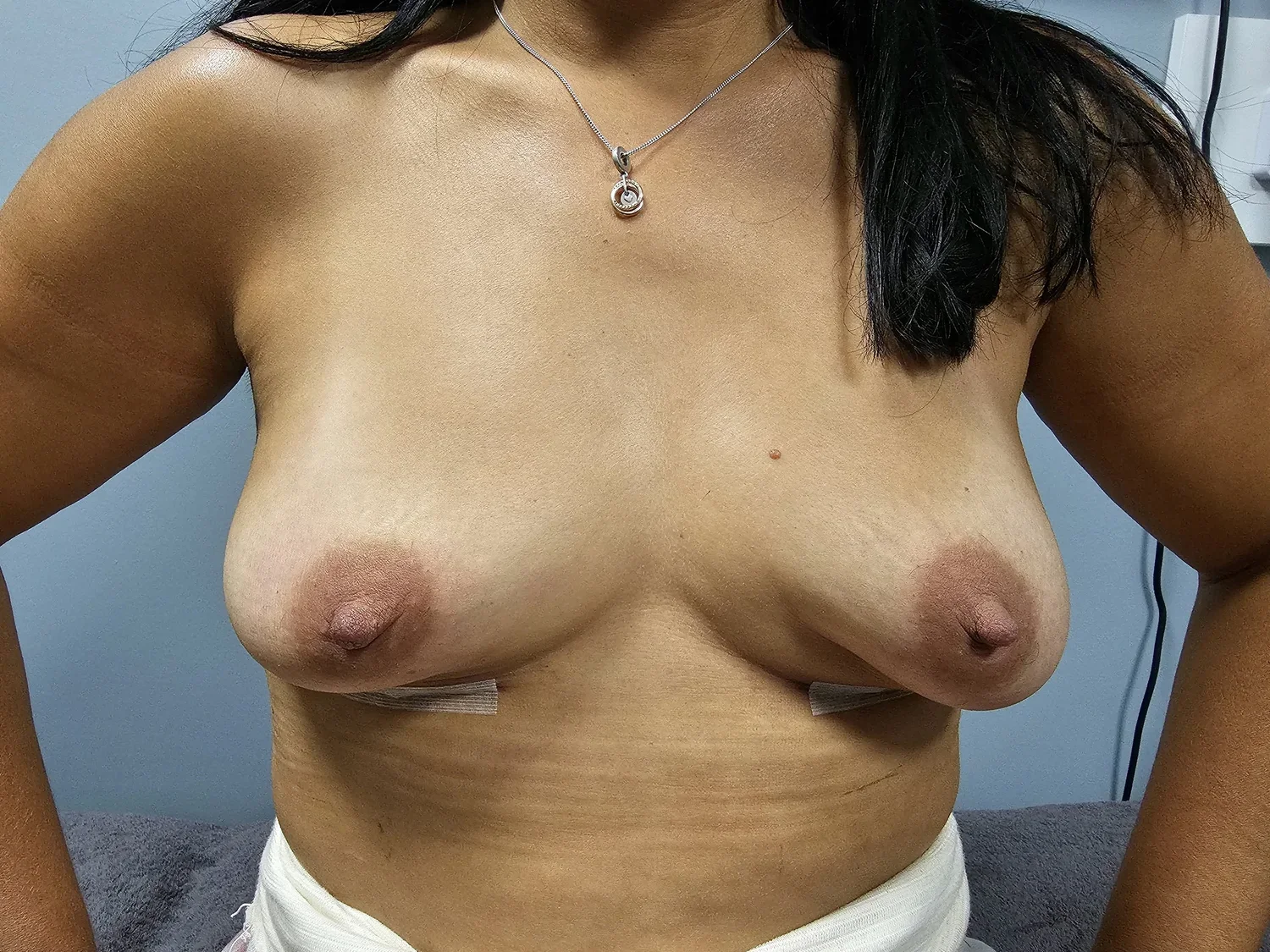
Explantation with no mastopexy/breast lift. Ridging of skin with nipples pointing downwards.
What Does a Mastopexy Lift Look Like Post-Surgery?
A mastopexy breast lift is a surgical procedure that effectively tightens the skin envelope following the removal of breast implants.
This procedure aims to prevent a collapsed or deflated appearance of the breast, which can often occur after implant removal.
By performing a lift, we may be able to preserve some projection and fullness, ensuring that the breasts maintain a natural and aesthetically pleasing shape, while specifically designed to prevent any empty or sagging look that may otherwise arise.
A full and projected result cannot be guaranteed, especially if there is minimal natural breast tissue.
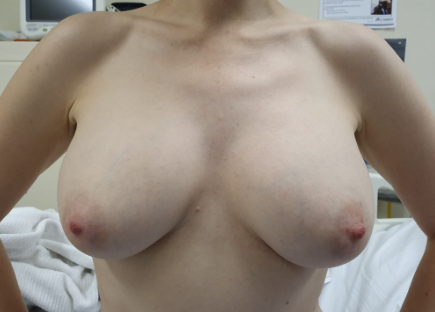
Pre operative photo
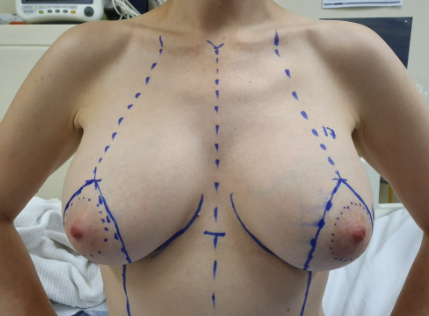
Pre operative photo with markings
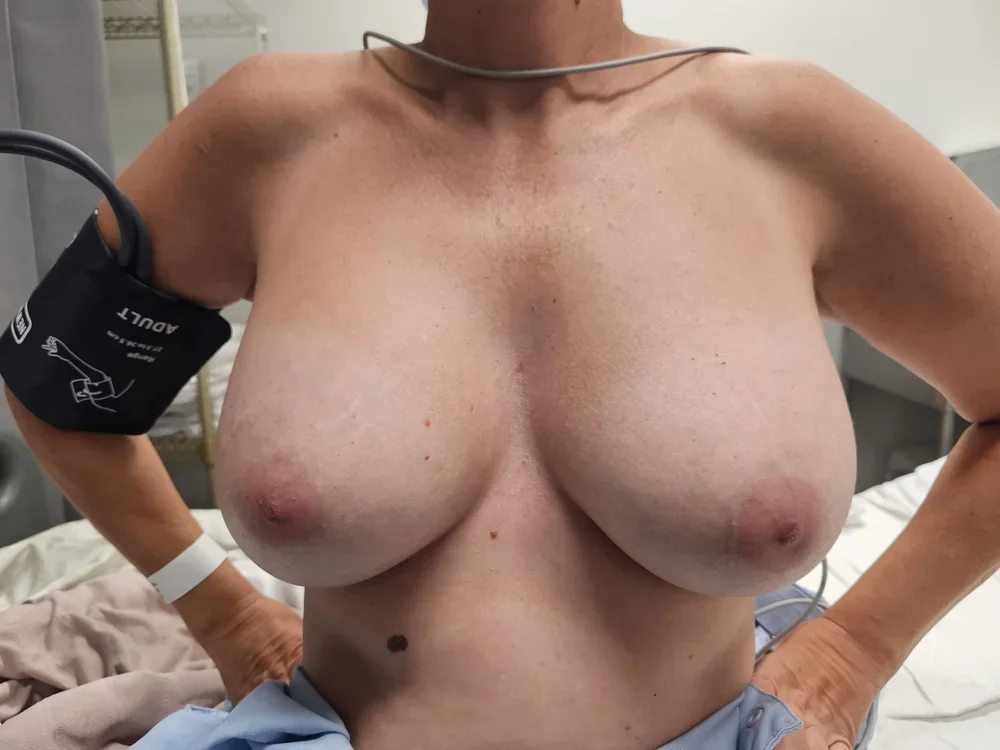
Pre operative photo
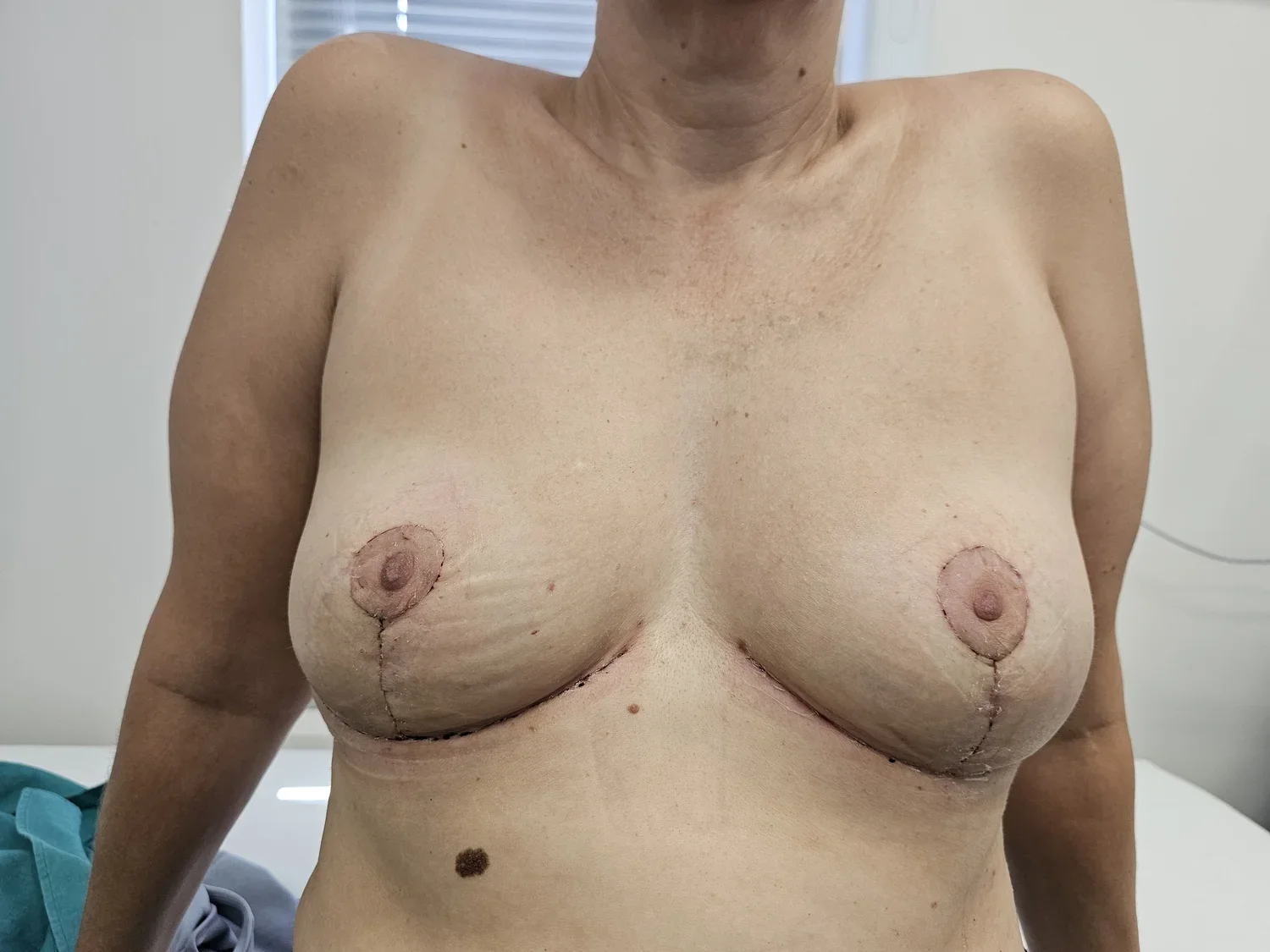
Post operative photo after implant removal and mastopexy
Frequenty Asked Questions
-
You do not need to remove your breast implant if it is not causing any significant issues or complications.
However, after a period of 10 years, the chance of rupture may gradually increase, so it becomes important to monitor them closely.
-
Reasons for considering breast implant removal can vary and are personal. They may include capsular contracture, implant rupture or leakage, changes in aesthetic preferences, health concerns, ageing of implants, pain or discomfort, weight changes or pregnancy, breast sagging, financial costs of maintenance, and lifestyle or physical activity.
-
If there is a problem such as a rupture or contracture, you will need to decide if you want the implant to be replaced with a new one or if you prefer to have it removed altogether.
If you are looking at implant replacement, Dr Green and Dr Campbell advise contacting your original Plastic Surgeon as they do not perform primary breast augmentation.
-
The implant and surrounding capsule are carefully removed during explant surgery. This is particularly important when dealing with textured implants due to the slight risk associated with BIA-ALCL.
The capsule will be sent for testing to check for any abnormalities.
-
After breast implant removal, it is common for the breast to experience a collapse due to the prior stretching that occurred while the implants were in place.
A certain amount of skin reduction is typically necessary to prevent this collapse and restore lost volume, often involving a breast lift or mastopexy.
Your surgeon will assess your individual circumstances and recommend the most suitable option.
-
Drains are placed at the time of surgery to help prevent the buildup of fluid, blood or surgical wash.
Typically, drains are removed the following morning if there is minimal output. In some cases, they may need to remain in place for a few additional days.
-
No.
If part of the capsule is stuck to the chest wall, it will be lifted and removed using a technique called hydro-dissection. If any capsule remains, you will be informed and the leftover tissue will be treated to destroy it.
Usually, the capsule can be removed completely.
Need Further Advice?
If you are considering breast implant removal or have concerns about your existing implants, careful discussion with your local doctor and surgeon is advised.
Brisbane Breast and Surgical Care have significant experience in implant removal surgery and can address your concerns openly and respectfully.