
What Is a Parathyroidectomy Procedure?
What Is a Parathyroidectomy Procedure?
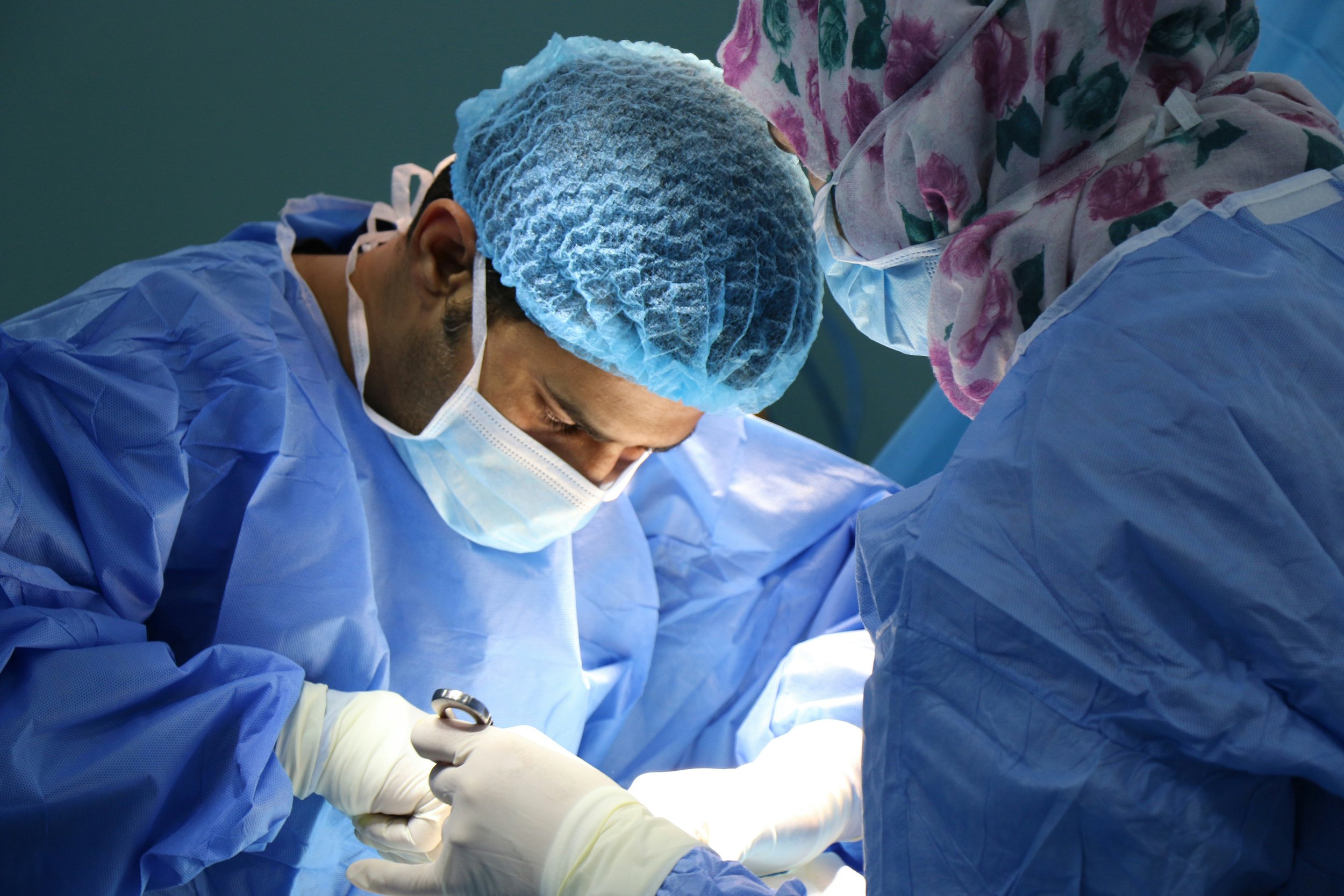
A parathyroidectomy is the procedure to remove an abnormal parathyroid gland.
There are two main types of parathyroid surgery:
Minimally Invasive Parathyroidectomy (MIPS)
Bilateral Neck Exploration (BNE)
Minimally Invasive Parathyroidectomy (MIPS)
This procedure removes an enlarged overactive parathyroid gland through a small incision (less than 2 cm).
It's suitable for about 85% of patients.
The benefits include a small cut that heals well for a better appearance and minimal disruption to the neck tissue, promoting quicker recovery and less internal scarring.
A focused Minimal Invasive Parathyroid Surgery (MIPS) is done when the abnormal gland's exact location is known before surgery.
This method uses a small incision and creates a direct tunnel to the gland.
Although technically challenging, it has become the standard approach for removing identifiable parathyroid glands.
Bilateral Neck Exploration (BNE)
If the abnormal gland cannot be successfully located during pre-surgery scans, it will then be necessary for both sides of the neck to be thoroughly examined during the surgical procedure.
It is often essential to locate all four parathyroid glands to effectively identify which gland is abnormal.
This important surgical procedure is referred to as Bilateral Neck Exploration (BNE).
A BNE typically involves a surgical incision measuring 3-5 cm, along with more extensive surgical techniques, which can lead to additional scarring and some increased discomfort following the operation.
Ultimately, both Minimally Invasive Parathyroid Surgery (MIPS) and Bilateral Neck Exploration (BNE) have similar recovery times and associated risks for patients.
What Is Involved in a Parathyroidectomy Operation?
A parathyroidectomy can be done using a minimally invasive method (MIPS) or a bilateral neck exploration (BNE).
You will need general anesthesia and will stay overnight in the hospital.
The surgery usually lasts between 30 minutes and 2 hours, depending on how difficult it is to find the abnormal gland.
When you arrive, you will meet the anesthetist, and a drip will be placed in your hand to put you to sleep.
Both methods involve a small cut in your neck to access the abnormal gland.
Once found, the gland will be removed and checked by a pathologist while you are asleep, which is called a Frozen Section.
After surgery, your wound will be closed with dissolving stitches and covered with a plastic strip.
For detailed post-operative care, refer to the Post-operative advice section.
You can eat and drink as you like once back in your ward, but you may have a sore throat that can be treated with simple pain relief medication.
A blood test the next morning will confirm the success of the surgery.
When Is a Minimally Invasive Parathyroidectomy (MIPS) Performed?
Not everyone can have a parathyroidectomy through a small (<2cm) incision.
In 85% of cases, the abnormal gland can be identified using pre-operative images.
However, if the gland's location is unclear, a larger incision is needed to examine both sides of the neck.
In these instances, all four parathyroid glands must be located to find the abnormal one, requiring a more extensive procedure, known as Bilateral Neck Exploration (BNE), making MIPS unsuitable.
Dr. Green will advise you before your surgery on whether MIPS is an option or if a full neck exploration is necessary.
When Will I Know the Operation Has Been Successful?
After your operation, Dr. Ben Green will take the time to discuss in detail how successful the procedure was and address any questions or concerns you might have.
During the surgery, a skilled pathologist will be present to assist in the evaluation of any tissues removed.
If Dr. Green identifies an abnormal parathyroid gland during the procedure, he will remove it and ensure it is carefully examined under a microscope to confirm its condition.
This process is considered a highly reliable and effective procedure.
In the next day or two, the gland will undergo a thorough assessment to ensure accurate results.
A few hours post-surgery, a blood test will be conducted to check your parathyroid hormone (PTH) and calcium levels.
If the surgery was successful, these vital levels should return to normal values relatively quickly, indicating a positive outcome.
Is Surgery Always Successful?
The success rate for a single parathyroidectomy is remarkably high, exceeding 85-90%.
Most patients who are diagnosed with hyperparathyroidism can have the abnormal gland eliminated successfully in just one surgical procedure.
However, it is important to note that a small number of patients may encounter challenges in locating the gland during the initial operation, which may lead to the necessity for additional tests and potential follow-up surgeries.
If imaging techniques can accurately identify the abnormal gland prior to surgery, approximately 95% of patients will achieve a successful outcome.
Conversely, if the gland cannot be located beforehand, there is a slightly elevated chance that it may not be found during the first operation.
Nevertheless, even in these situations, there remains a commendable success rate of over 85% for these cases.
What Happens If the Abnormal Parathyroid Gland Is Not Found?
In a few patients, the abnormal parathyroid gland may not be found during the first surgery.
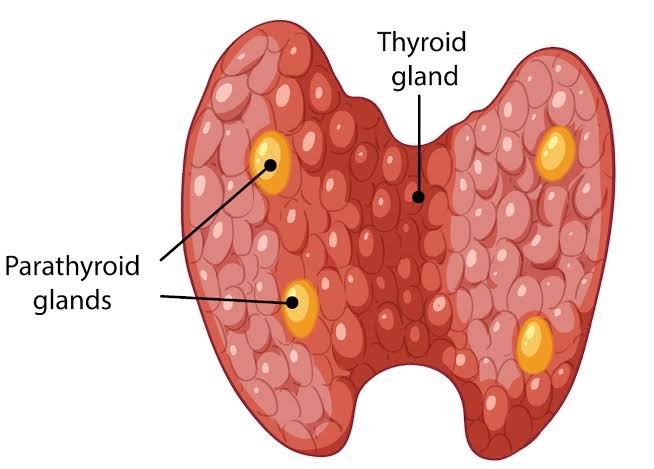
The parathyroid glands are usually in predictable locations, often symmetrical on both sides of the neck.
The upper parathyroid glands are typically found where expected 80% of the time, while the lower glands can vary.
Only 50% of the time are they found behind the lower part of the thyroid.
The lower gland may also move into the neck or chest or remain near the skull if it hasn’t descended during development.
If the first surgery is unsuccessful, previous imaging will be repeated, and additional tests like a 4D CT scan specifically for the parathyroids may be ordered.
In rare cases where imaging does not help, an invasive test called ‘selective venous sampling’ may be done.
This involves placing a catheter in the neck veins through the arm to take blood samples, identifying which veins have high PTH levels to assist the surgeon in locating the gland.
What Are the Potential Complications of Parathyroid Surgery?
Parathyroidectomy is a common surgery that Dr. Green is well-trained to perform.
Most patients recover as expected and can leave the hospital feeling good the day after surgery.
However, some patients may experience significant complications.
Below, you will find a list of potential problems related to breast surgery. Some complications are common, while others are rare but serious.
This list is just a guide and not complete.
If you have questions after your consultation or after reading this, please feel free to talk to Dr. Green.
Common (10-20%)
Temporary swelling in neck, with feeling something is stuck.
Bruising and scarring
Temporary stiff neck
Uncommon (Up to 5% of Cases)
Wound infection
Bleeding requiring a second operation
Temporary nerve palsy – hoarse voice
Abnormal gland not able to be found (up to 15% in non-localized glands)
Permanently low calcium (up to 20% if 3 ½ glands are removed)
Rare but Important (Up to 1% of Cases)
Major bleeding
Recurrent laryngeal nerve injury – hoarse voice
Permanent low calcium needing supplements
Anaesthetic complications
Need Further Advice?
If you have questions after your consultation or after reading this information, please feel free to talk to Dr. Green.