
What Is Hyperparathyroidism (HPT)?
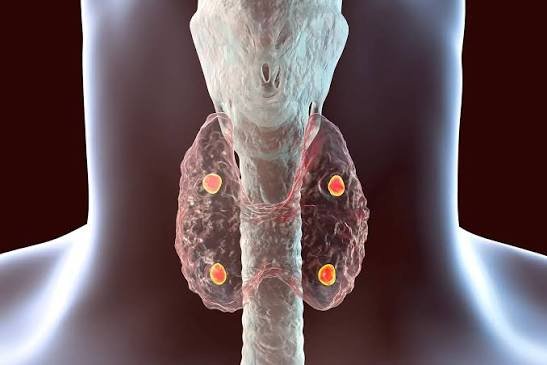
Hyperparathyroidism is a medical condition that occurs when one or more of the parathyroid glands become overactive, leading to the excessive production of Parathyroid Hormone (PTH).
This overproduction of PTH results in an elevation of calcium levels in the blood, which can lead to a variety of side effects and complications.
Some of these potential side effects include osteoporosis, which weakens bones, kidney stones that can cause significant discomfort, constipation, and increased thirst, all of which can negatively impact a person's overall health and quality of life.
What Are the Types of Hyperparathyroidism (HPT)?
There are three types of hyperparathyroidism, each with different causes and treatments:
Primary Hyperparathyroidism (pHPT)
Secondary Hyperparathyroidism (sHPT)
Tertiary Hyperparathyroidism (tHPT)
Primary Hyperparathyroidism (pHPT)
This is the most common type, usually caused by one gland becoming overactive.
A tumor called an adenoma (benign) forms in this gland, leading to too much parathyroid hormone (PTH) being made.
The extra hormone signals the body to raise calcium levels. Even with high calcium, the gland doesn't react to normal controls and keeps producing PTH, which raises calcium even more, causing various health issues.
The cause of pHPT is due to:
Single adenoma – 85%
Hyperplasia (enlargement) – 10%
Multiple adenoma – 5%
Cancer <1%
Secondary Hyperparathyroidism (sHPT)
Secondary hyperparathyroidism happens in patients with kidney disease who lose a lot of calcium through urine.
To cope with this loss, the parathyroid glands grow larger. All glands are affected in this condition.
Doctors treating kidney disease try to manage the calcium loss with medication, but there is a limit to how much the gland enlargement can be controlled.
Eventually, about 5% of cases need surgery.
The surgery involves removing all parathyroid glands and re-implanting half of one into the muscles of the neck or the arm.
Tertiary Hyperparathyroidism (tHPT)
Tertiary hyperparathyroidism occurs when parathyroid glands become overactive due to long-term stimulation from chronic kidney disease or vitamin D deficiency.
In response to low calcium or high phosphate levels, these glands secrete excess parathyroid hormone (PTH), causing elevated blood calcium levels and symptoms like weakness, fatigue, kidney stones, and bone pain.
Unlike primary or secondary hyperparathyroidism, it often requires surgery to remove the overactive glands, particularly in severe cases.
Effective diagnosis and treatment are crucial for management.
What Problems Can High Calcium Cause?
Calcium levels are typically tightly controlled.
Hyperparathyroidism raises calcium levels, which can cause various symptoms. Many individuals may not be aware of their high calcium.
However, increased PTH and calcium can lead to symptoms that affect multiple body systems.
Serious Issues from High Calcium That May Require Surgery
Kidney stones
Osteoporosis
Irregular heartbeats from very high calcium
Other Issues
High PTH and calcium can also cause various other issues, including:
Fatigue, memory loss and irritability.
Excessive thirst.
Constipation and abdominal pains.
Excessive urination.
Do I Have Parathyroid Cancer?
The simple answer is almost certainly NOT.
Parathyroid cancer is extremely rare. In fact, less than 1% of all cases of hyperparathyroidism can be attributed to the presence of a cancerous growth.
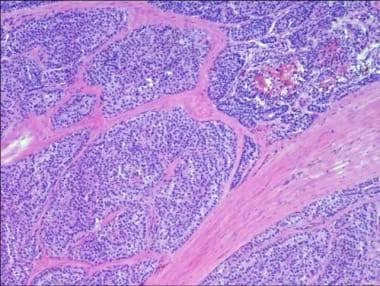
Rather, most instances of primary hyperparathyroidism arise from a specific type of tumor known as an adenoma.
An adenoma is classified as a benign tumor, meaning it does not possess the ability to invade surrounding tissues or spread throughout the body, which distinguishes it from malignant tumors, the type associated with dangerous cancers.
Often, an adenoma can lead to significant enlargement of the gland itself, growing to a size that is two to ten times larger than what is considered normal.
The primary issues that arise from this condition stem from the excessive secretion of parathyroid hormone (PTH), which results in elevated levels of calcium in the bloodstream, ultimately leading to various health complications.
How Is Hyperparathyroidism Diagnosed?
Several tests are typically required if primary hyperparathyroidism is being considered as a possible diagnosis.
In most patients, the diagnosis is often suspected due to the presence of elevated calcium and parathyroid hormone (PTH) levels, which may be found accidentally during an investigation for other unrelated medical reasons.
The necessary investigations can be systematically broken up into two key components, allowing for a more organized approach to diagnosis and treatment.
Tests to Confirm the Diagnosis (Biochemistry)
Calcium level
PTH level
Vitamin D level – a low vitamin D can elevate your PTH level
Urine Test – 24-hour collection of urine to check calcium levels which should be high
Parathyroid Venous Sampling
Tests to Locate the Abnormal Gland
Neck ultrasound
Sestamibi scan
4DCT – Neck/parathyroids
Neck Ultrasound
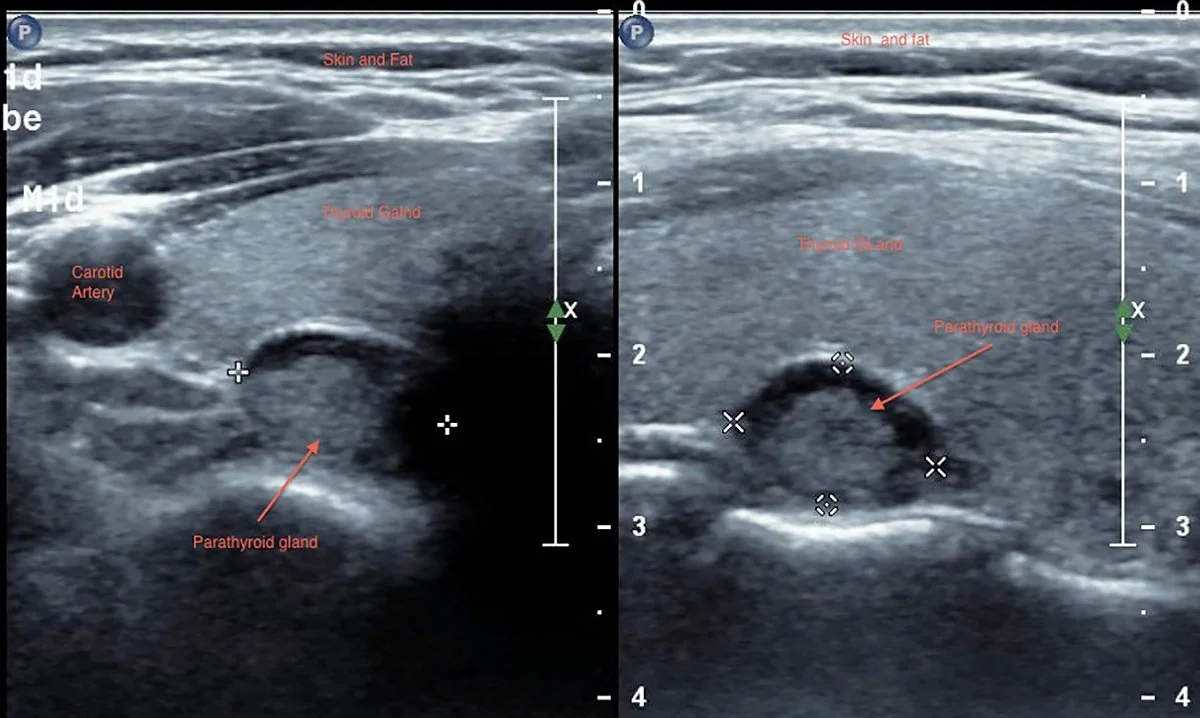
A parathyroid ultrasound is a non-invasive imaging technique for evaluating the parathyroid glands, which regulate calcium levels.
It uses high-frequency sound waves to create detailed images that help identify abnormalities like enlargement or tumors, aiding in diagnosing conditions such as primary hyperparathyroidism and assessing surgical needs.
The quick, painless procedure involves no radiation, making it safe for patients, and provides real-time images to guide treatment plans.
Sestamibi Scan
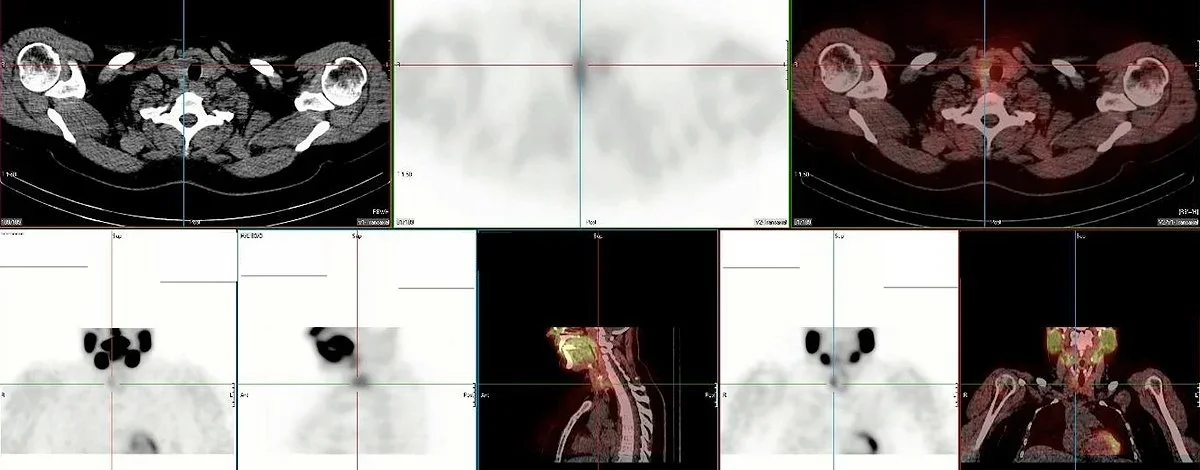
A sestambi is a specialized parathyroid scan in which you will be receiving a very small amount of a radioactive labelled injection.
This radioactive material is designed to be absorbed by the abnormal parathyroid gland, allowing it to be clearly visualized on the scan.
As a result, this imaging technique will confirm whether the enlarged gland observed on ultrasound is, in fact, overactive.
4D CT Parathyroids
4D CT parathyroid imaging is an advanced technique that precisely locates and assesses parathyroid glands.
The "4D" element adds time as a dimension, enabling dynamic imaging of blood flow and gland function.
This method effectively identifies parathyroid adenomas and hyperplasia linked to hyperparathyroidism.
By offering detailed anatomical and functional insights, 4D CT aids surgeons in planning interventions, enhancing surgical outcomes, and reducing complications.
It is essential for the preoperative assessment of suspected parathyroid disorders