
Breast Pain (Mastalgia)
What is Mastalgia?
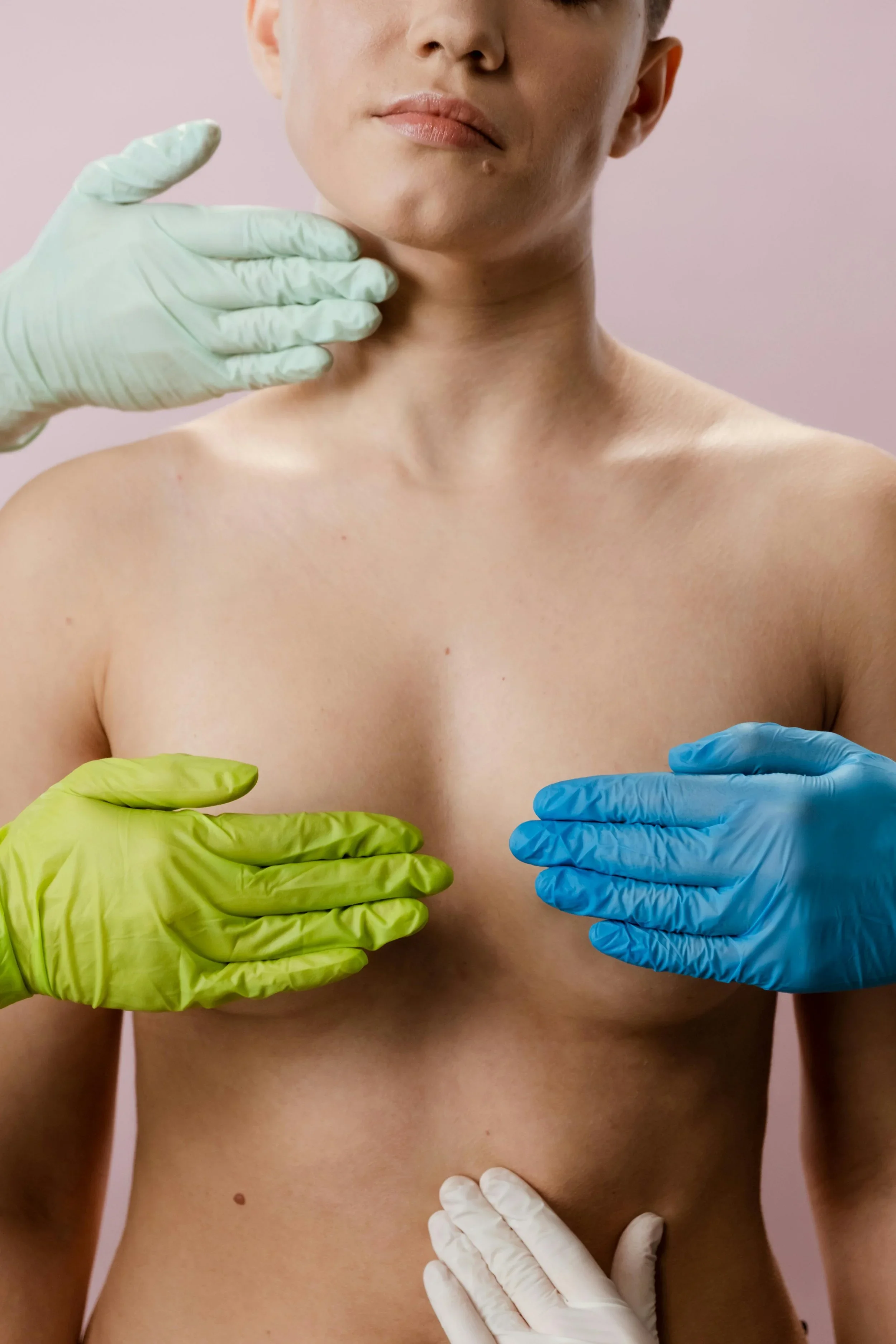
Mastalgia, commonly known as breast pain, is a common condition experienced by many women at some point in their lives. It can range from mild discomfort to severe pain and may affect one or both breasts.
Mastalgia can occur for various reasons and is usually not a sign of breast cancer.
Types of Mastalgia
Cyclic Mastalgia
This type of breast pain is related to the menstrual cycle and tends to occur in the days leading up to your period. Hormonal changes cause breast tissue to swell, resulting in pain or tenderness. Cyclic mastalgia typically affects both breasts and subsides once menstruation begins.
Non-Cyclic Mastalgia
This pain is not linked to the menstrual cycle and can occur at any time. It may be constant or intermittent and usually affects one breast. Non-cyclic mastalgia may be caused by factors such as breast trauma, infections or underlying conditions unrelated to the breast.
Extramammary Pain
Sometimes breast pain originates from another part of the body, such as the chest wall, muscles or ribs, but is felt in the breast. This is known as referred pain.
Common Causes of Breast Pain
Breast pain can occur for a number of reasons, including:
Hormonal fluctuations during the menstrual cycle
Pregnancy
Breast cysts
Certain medications, including hormone replacement therapy (HRT), oral contraceptives and some antidepressants
Poorly fitting or unsupportive bras
Breast infections (mastitis)
Chest wall pain
Emotional stress
Symptoms
Symptoms of mastalgia may include:
A dull, heavy ache or sharp pain in one or both breasts
Tenderness or soreness, particularly when touched
Swelling or lumpiness within the breast
Pain that worsens during certain stages of the menstrual cycle (cyclic mastalgia)
Diagnosis
Your doctor will begin with a thorough medical history and physical examination of the breasts.
In some cases, further investigations may be recommended to rule out other conditions, including:
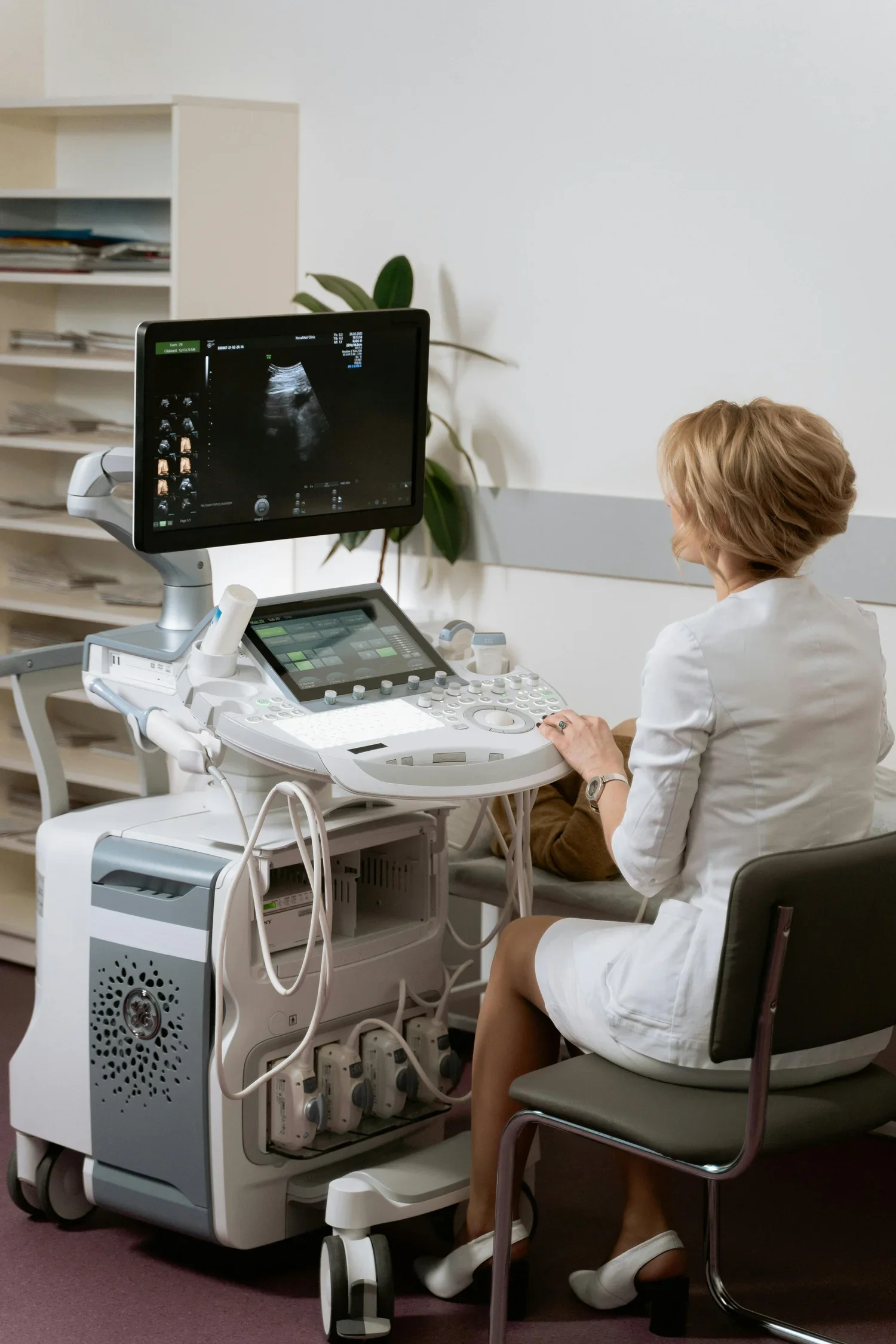
Breast ultrasound or mammogram to assess for lumps or abnormalities
Hormonal blood tests to identify possible imbalances
Fine needle aspiration or biopsy if a breast lump is present
Treatment Options
Mastalgia often resolves on its own, particularly in cases of cyclic breast pain. However, several treatment options are available to help relieve symptoms.
Self-Care & Lifestyle Changes
Simple measures that may help include:
Wearing a well-fitted, supportive bra, particularly during physical activity
Applying cold compresses to reduce soreness
Taking over-the-counter pain relief such as ibuprofen or paracetamol
Reducing caffeine and fatty foods, which may improve symptoms in some women
Vitamin E or evening primrose oil, although their effectiveness is not guaranteed
Medications
In some cases, your doctor may recommend:
Adjusting hormone-based medications such as oral contraceptives or hormone replacement therapy (HRT)
Prescription medications such as tamoxifen, danazol or bromocriptine for severe or persistent breast pain
Managing Non-Cyclic Mastalgia
Treatment for non-cyclic mastalgia depends on the underlying cause. This may involve managing infections, reducing physical strain or treating muscular or joint conditions affecting the chest wall.
When Should You See a Doctor?
You should seek medical advice if:
Breast pain is severe, persistent or worsening over time
You notice a new breast lump
There is redness, swelling or nipple discharge
The pain is unrelated to your menstrual cycle and does not improve with self-care
You develop signs of a breast infection, including warmth, redness or fever
Frequently Asked Questions
-
Breast pain alone is rarely a sign of breast cancer. However, it's important to have any new, persistent or unusual breast symptoms assessed by your doctor to ensure an accurate diagnosis.
-
Yes. This is particularly common with cyclic mastalgia, where breast pain is linked to hormonal changes throughout the menstrual cycle. Symptoms often improve once menstruation begins.
-
Yes. Although less common, men can also experience breast pain. This may be caused by hormonal imbalances, infections or injury, and should be assessed if symptoms persist.
Need Further Advice?
If you're experiencing ongoing breast pain or have noticed any new breast changes, the team at Brisbane Breast and Surgical Care can provide specialist assessment and personalised advice.
Helpful Resources
If you're experiencing breast pain, these resources may help you better understand your condition and monitor your symptoms.