
What Tests Do I Need Before Surgery?
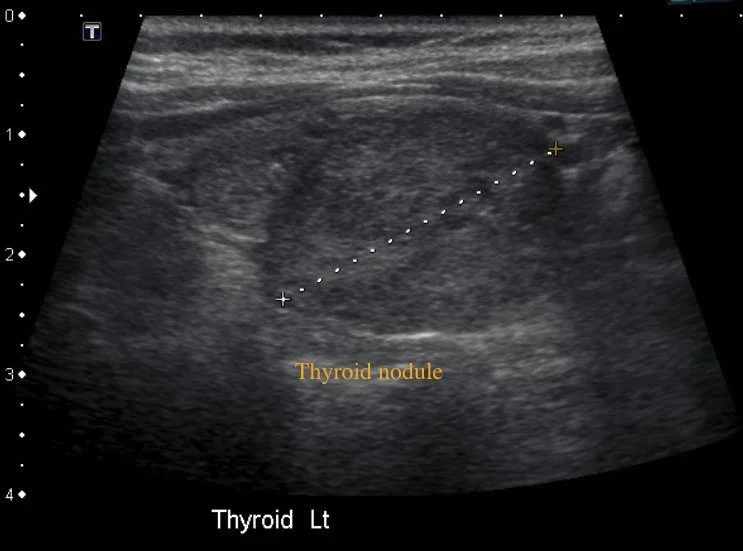
What Tests Do I Need Before Surgery?
To diagnose a thyroid problem, doctors usually use blood tests and imaging.
Common tests include:
Thyroid ultrasound
CT scan of the neck
Thyroid nuclear scan
Blood tests for function and antibodies
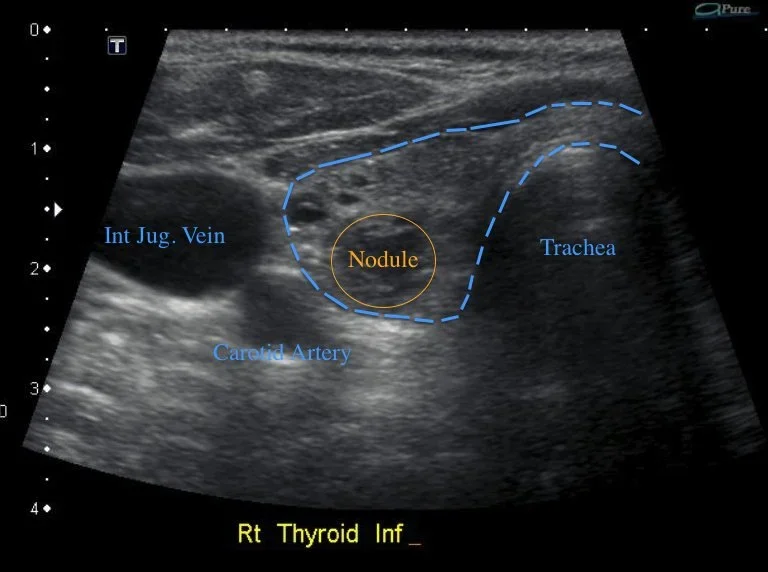
Thyroid Ultrasound
Most commonly, only a thyroid / neck ultrasound is needed prior to proceeding with surgery.
This ultrasound provides a detailed and clear view of the gland, as well as any nodules that may be present.
If there happens to be anything suspicious identified during the ultrasound examination, a biopsy may be arranged at the same time for further evaluation.
In many cases, a thyroid ultrasound is the only imaging study required to assess the condition thoroughly.
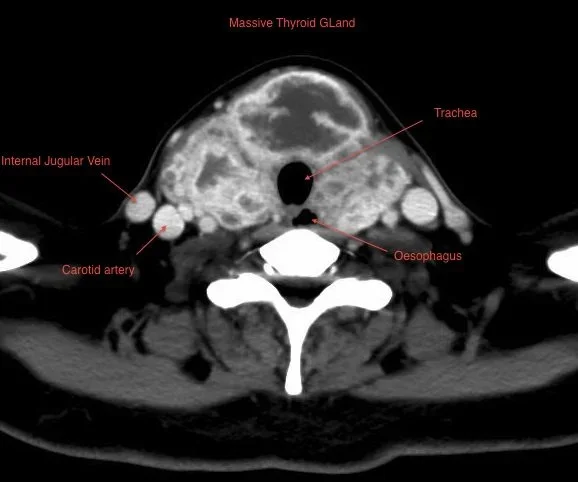
CT Scans
A CT scan is typically performed if thyroid cancer is diagnosed and in cases where there is a very large thyroid gland extending into the chest or causing compression of surrounding tissues.
This imaging study is also indicated for patients who present with symptoms suggestive of compression of various neck structures, such as the oesophagus, which can lead to swallowing difficulties, or the trachea, which may cause breathing challenges.
By conducting a CT scan, we are able to obtain a more detailed visualization of the gland as well as the surrounding structures that may be affected, thereby aiding in the surgical planning process.
Thyroid Nuclear Scan
This procedure is not usually necessary for every patient.
However, it may be arranged specifically to confirm the diagnosis of Graves' disease or to exclude it if you have a single nodule that is overactive.
Dr. Green will take the time to thoroughly check whether the nodule is the sole cause of the thyroid overactivity or if the entire gland is overactive, as seen in cases of Graves' disease.
A thyroid scan can effectively reveal the presence of hot-nodules, which are classified as overactive, or Cold-nodules, which are underactive.
It is important to note that Cold-nodules can sometimes indicate a risk of thyroid cancer, occurring in approximately 20% of cases.
If these Cold-nodules are indeed present, a hemithyroidectomy is typically recommended as the next step in management.
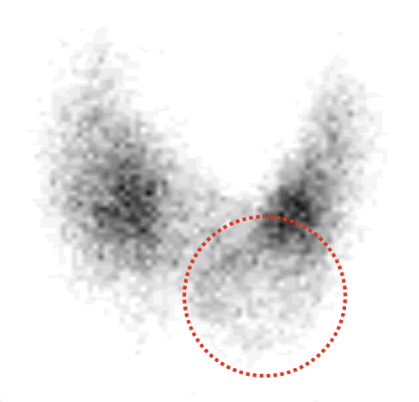
Courtesy of Kevin Banks, Radiopedia.org, ID 169092
Thyroid Function Studies and Antibodies (Blood Tests)
Thyroid function blood tests are important before surgery.
They help Dr. Green find out if your thyroid is normal (euthyroid), underactive (hypothyroid), or overactive (hyperthyroid).
If you have an overactive thyroid, surgery is not safe, and you will need medication to lower the activity before the procedure.
A thyroid function test includes:
Thyroid Stimulating Hormone (TSH): A hormone from the pituitary gland that tells the thyroid to produce more hormones.
Thyroxine (T4): A hormone released by the thyroid that speeds up chemical reactions in your body. T4 is converted to the active hormone triiodothyronine (T3) in the blood.
Triiodothyronine (T3): The active hormone that regulates many body functions, including metabolism, growth, body temperature, heart rate, mood, muscle strength, weight, and reproductive hormones.
Thyroid Antibodies: Are tested to confirm diagnoses like Graves' disease or Hashimoto's thyroiditis. These are autoimmune antibodies, meaning they attack the body's own tissues. In the case of thyroid antibodies, they target the thyroid gland. This can lead to various thyroid conditions, such as overactivity (Graves' disease) or damage to the gland (Hashimoto’s thyroiditis).
Vocal Cord Check
This is not a routine test that is commonly performed.
However, there will be specific circumstances in which Dr. Green feels it is necessary to assess the function of your vocal chords prior to proceeding with the surgical operation.
If you are experiencing symptoms such as a hoarse voice or if a large cancer has been diagnosed, a vocal chord check is likely to be requested.
This evaluation requires the use of a small fibre-optic camera that is gently passed through your nose and into your throat in order to observe how your vocal chords move during this examination.
Additionally, this procedure may also be performed after surgery if there is any concern that the nerve which controls the vocal chords, known as the recurrent laryngeal nerve, may have sustained an injury.
Why May I Need a Biopsy of My Thyroid Nodule?
Any lump in the neck or thyroid needs a biopsy to confirm its nature, especially to check if it is cancerous.
For thyroid lumps, a Fine Needle Aspiration (FNA) biopsy is done.
Nodules larger than 10mm or suspicious smaller ones are biopsied.
An FNA collects a sample of cells from the thyroid nodule for microscopic examination.
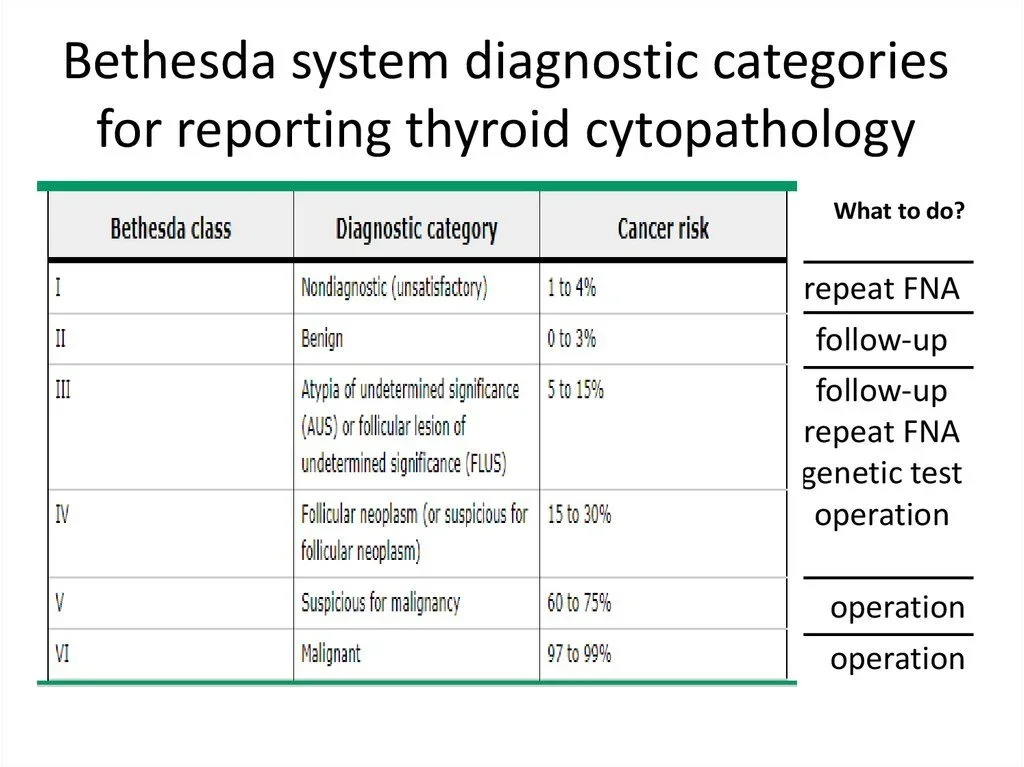
A pathologist then assesses the cells using the Bethesda Criteria to determine the risk of cancer, leading to recommendations for surgery or observation based on the results.