
Radiotherapy
What Is Radiotherapy?
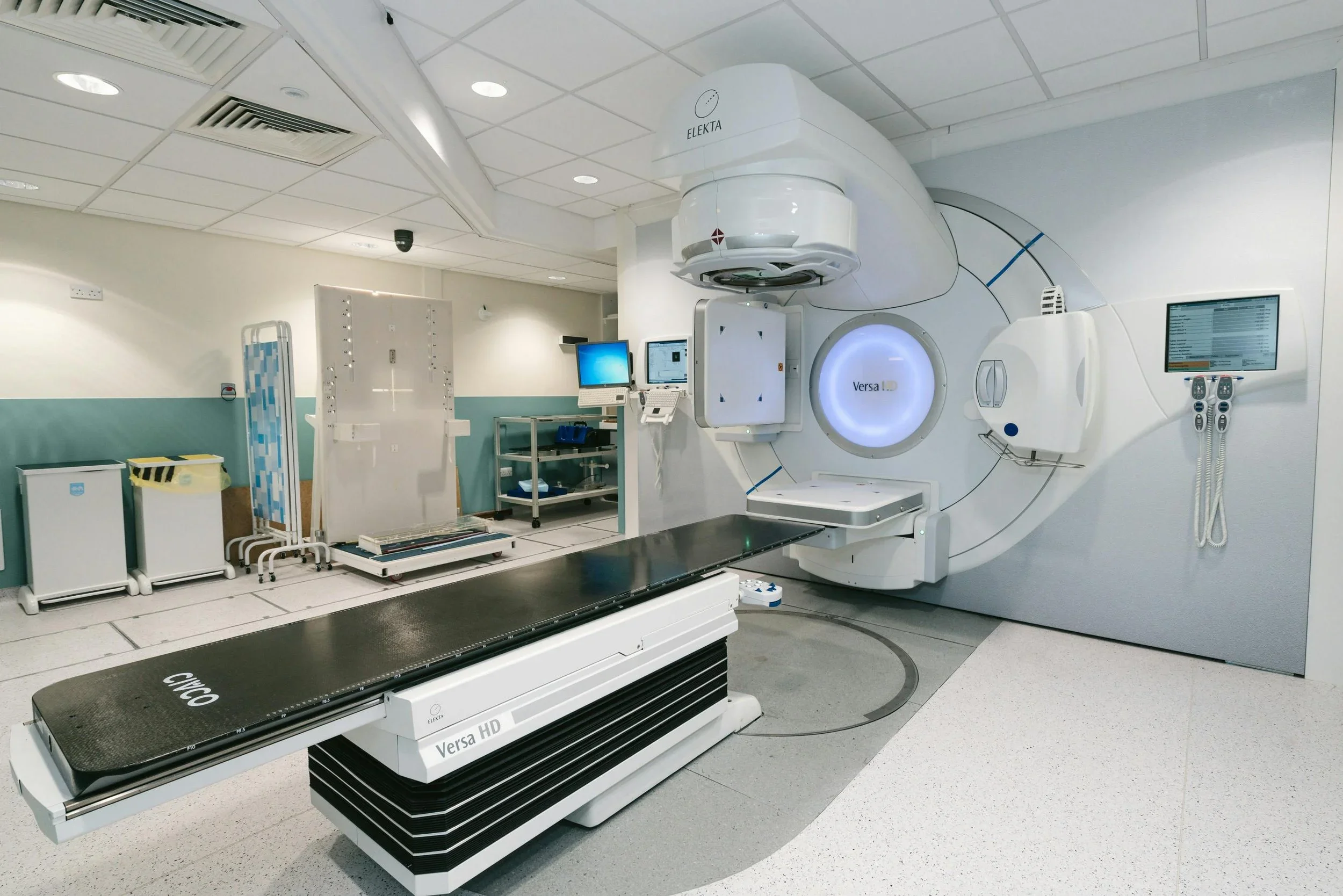
Radiotherapy is a treatment that uses high-energy X-rays or other radiation types to destroy cancer cells.
It is a common and effective treatment for breast cancer, often used after surgery to reduce the risk of cancer returning.
When Is Radiotherapy Recommended?
Your doctor may recommend radiotherapy if:
You’ve had breast-conserving surgery (lumpectomy) to remove cancer.
You’ve had a mastectomy and there is a risk of cancer recurrence in the chest area.
Cancer has spread to nearby lymph nodes.
It is needed as part of palliative care to manage symptoms if the cancer has spread elsewhere.
How Does Radiotherapy Work?
Radiotherapy targets and damages cancer cells, preventing them from growing and dividing.
Healthy cells in the treatment area may also be affected but typically recover after the treatment ends.
Types of Radiotherapy for Breast Cancer
External Beam Radiotherapy (EBRT)
The most common type.
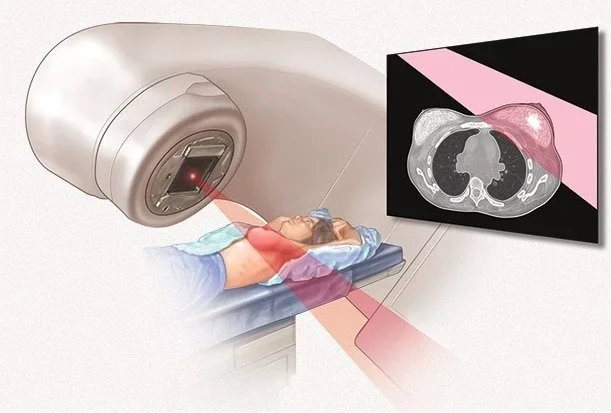
A machine delivers radiation to the breast, chest, or lymph nodes.
Brachytherapy (Internal Radiotherapy)
Used in some cases, where radioactive material is placed temporarily inside the breast.
What to Expect During Treatment
Planning Session
Before treatment begins, you’ll have a CT scan to map the treatment area.
The team will carefully plan the radiation to minimize exposure to healthy tissues.
Treatment Sessions
Radiotherapy is typically given daily (Monday to Friday) over 3–6 weeks, depending on your treatment plan.
Each session lasts about 10–15 minutes.
Positioning
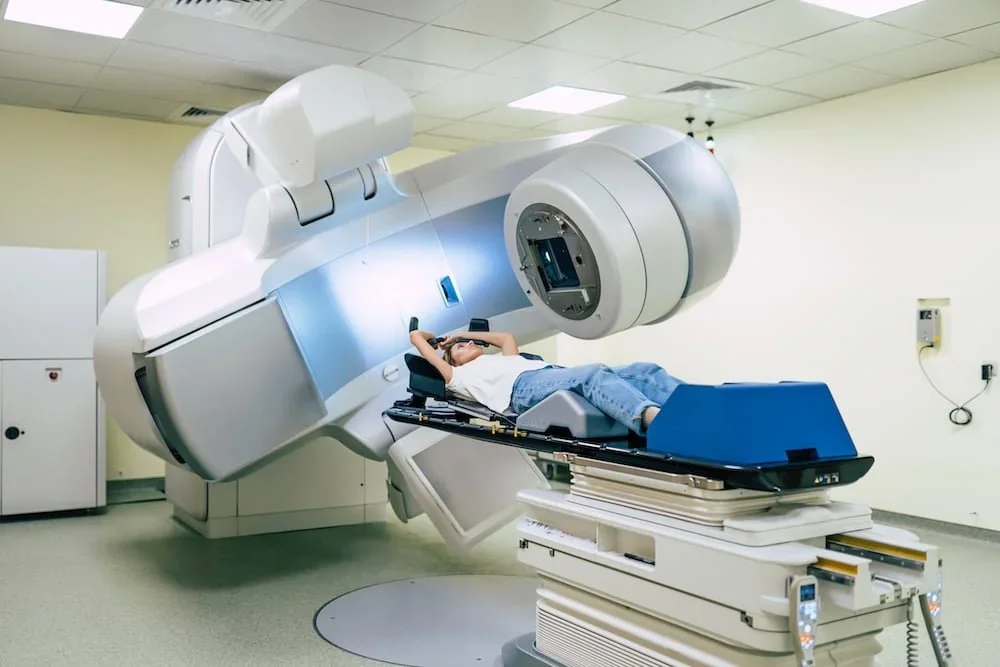
You’ll lie on a treatment table while the machine directs radiation to the precise area.
The process is painless.
Possible Side Effects
While radiotherapy is highly effective, some side effects may occur, including:
Skin Changes
Redness, dryness, or peeling, similar to a sunburn.
Fatigue
A common side effect that may increase as treatment progresses.
Swelling
Mild swelling of the breast or chest area.
Tenderness
The treated area may feel sore or sensitive.
Long-Term Effects
Rarely, radiotherapy may cause changes like firmness in the breast tissue or slight scarring.
Your doctor will discuss strategies to manage side effects, and your care team will support you throughout treatment.
How to Care for Yourself During Radiotherapy
Skin Care
Avoid harsh soaps, lotions, or deodorants in the treatment area unless approved by your care team.
Rest
Prioritize rest to manage fatigue.
Clothing
Wear loose, soft clothing to avoid irritation.
Hydration and Nutrition
Stay hydrated and maintain a healthy diet to support your recovery.
Follow-Up Care
After your radiotherapy is complete, you’ll have follow-up appointments to monitor your progress and address any ongoing side effects or concerns.
Frequently Asked Questions
-
Radiotherapy is a treatment that uses high-energy X-rays or other radiation types to destroy cancer cells.
It is a common and effective treatment for breast cancer, often used after surgery to reduce the risk of cancer returning.
-
Radiotherapy may be recommended after breast-conserving surgery, after a mastectomy where there is a risk of cancer recurrence in the chest area, if cancer has spread to nearby lymph nodes, or as part of palliative care to manage symptoms if cancer has spread elsewhere.
-
Radiotherapy targets and damages cancer cells, preventing them from growing and dividing.
Healthy cells in the treatment area may also be affected but typically recover after treatment ends.
-
The two types described are external beam radiotherapy (EBRT), where a machine delivers radiation to the breast, chest or lymph nodes, and brachytherapy, where radioactive material is temporarily placed inside the breast.
-
Radiotherapy is typically given daily, Monday to Friday, over 3–6 weeks, depending on your treatment plan.
Each session lasts about 10–15 minutes.
-
The process of receiving radiotherapy is painless.
-
Possible side effects include skin changes such as redness, dryness or peeling, fatigue, mild swelling, tenderness, and, rarely, long-term changes such as firmness in the breast tissue or slight scarring.
-
Avoid harsh soaps, lotions, or deodorants in the treatment area unless approved by your care team.
Wearing loose, soft clothing can also help avoid irritation.
-
Prioritize rest to manage fatigue.
Light clothing, hydration, nutrition and following your care team's advice can also support your recovery.
-
After your radiotherapy is complete, you’ll have follow-up appointments to monitor your progress and address any ongoing side effects or concerns.
Need Further Advice?
Radiotherapy is a safe and effective treatment to reduce the risk of breast cancer returning.
While side effects are possible, most are temporary and manageable.
Your care team is here to guide and support you every step of the way.
If you have any questions or concerns about your treatment, talk to your doctor or healthcare team.