
Mastectomy Surgery
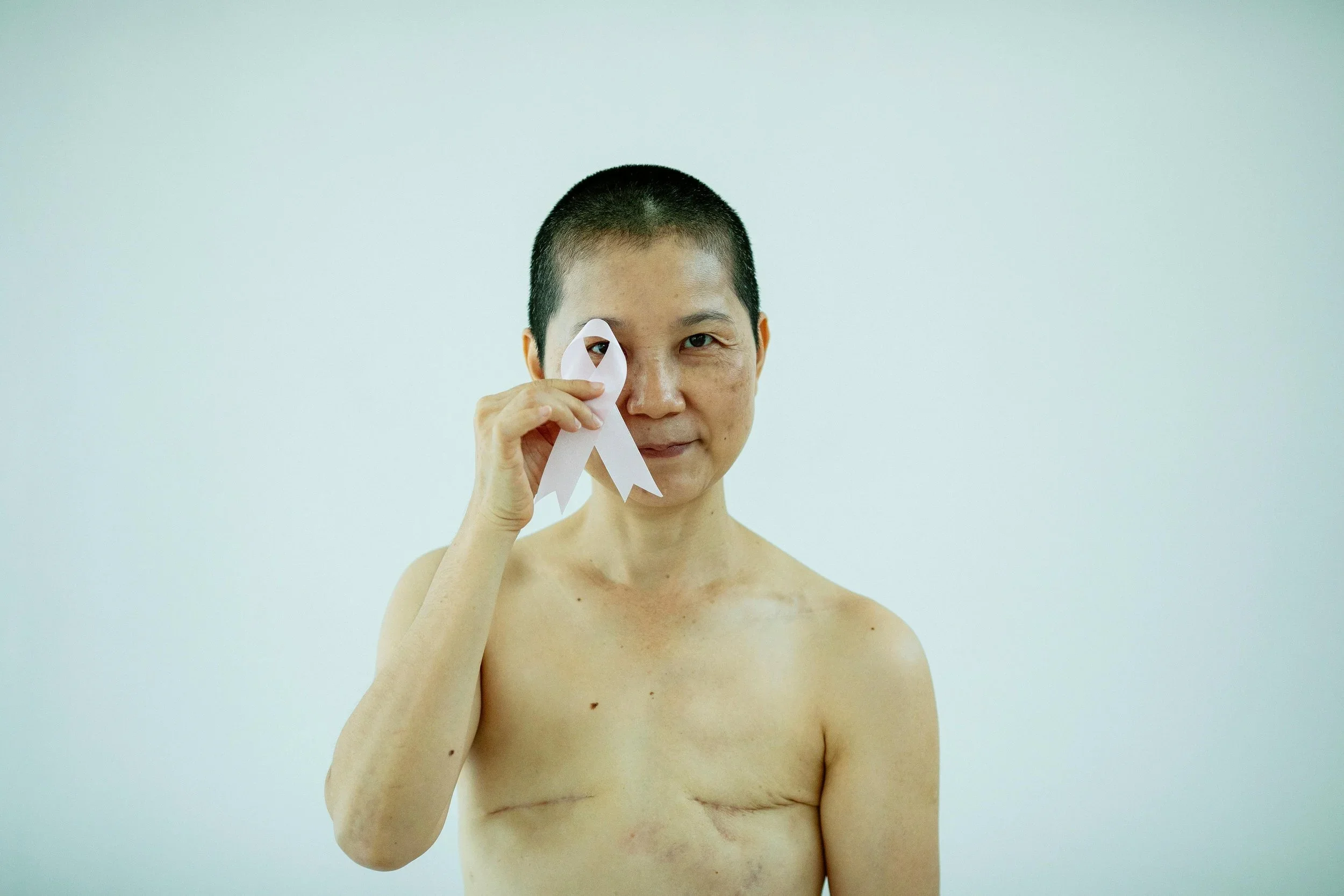
Breast cancer surgery mainly falls into two types:
Mastectomy
Breast conservation surgery (wide local excision, lumpectomy)
What Is a Mastectomy?
A mastectomy involves the complete removal of a breast, including skin and nipple, and is the most extensive breast surgery for cancer accounting for about 20% of such procedures.
It aims to eliminate all breast tissue, leaving only the skin over the chest wall muscles.
Not all patients can have breast-conserving surgery, making mastectomy the recommended option.
Typically, patients undergoing this procedure do not need radiation therapy, though it may still be necessary for larger tumors (>5 cm), those with skin or muscle involvement, or multiple affected axillary lymph nodes.
When Is a Mastectomy Needed?
A mastectomy may be recommended for your breast cancer for several reasons:
Large Cancers
If tumors are larger than 5 cm or can't be removed without affecting the breast's appearance, chemotherapy might be used first to shrink them.
Aggressive Type
Some breast cancers are likely to return after a lumpectomy, making mastectomy a better option.
Failed Breast Conservation
If a lumpectomy doesn't leave enough healthy tissue around the tumor, a mastectomy is suggested.
Multiple Cancers
When cancer appears in many small spots, a mastectomy ensures all are removed.
Unable to Have XRT
If you've had previous radiation therapy or can't receive it, a lumpectomy isn't suitable due to a high risk of the cancer returning.
Risk Reduction
If you have a BRCA gene or a strong family history of breast cancer, mastectomy is advised to lower your cancer risk significantly, often combined with reconstruction.
Mastectomy vs Lumpectomy – Which Is Better?
Choosing between a mastectomy and breast conservation depends on your situation. There is no one-size-fits-all answer.
For small tumors, mastectomy usually offers little extra benefit. In certain cases, a mastectomy is necessary, and breast conservation isn't an option.
Generally, the risk of cancer recurrence after a mastectomy is about 0.5 - 1% per year (2.5-5% in five years), compared to 1 - 1.5% per year (5-7% in five years) for breast conservation.
There was a recent study which showed that those women who chose breast conservation over mastectomy had an improved outlook.
This small difference means many can safely choose breast conservation without significant risk.
Ultimately, the choice is yours. Some may prefer a mastectomy to avoid radiation, but this is a personal choice to discuss with your surgeon.
Remember, a mastectomy cannot be undone, but you can always opt for it later if needed.
Many women who rush into unnecessary mastectomies later feel regret. If you’re unsure and a mastectomy isn’t clearly necessary, it’s often better to start with breast conservation. You can always change your mind later.
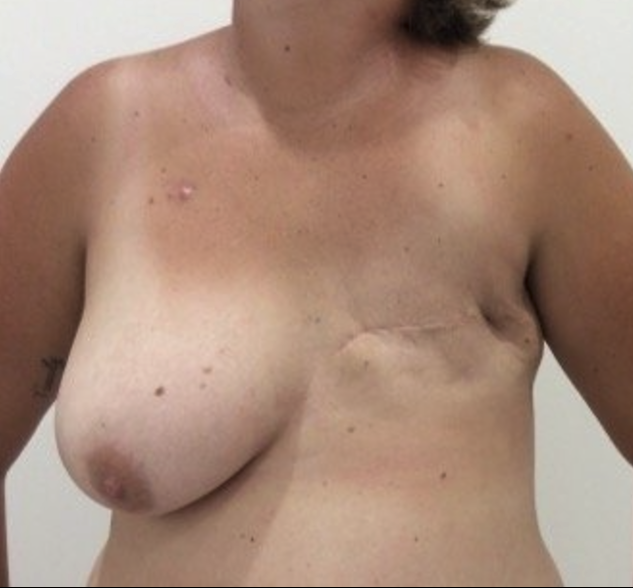
Types of Mastectomy – Are All Mastectomies the Same?
There are different types of mastectomy you may be offered, but not everyone can choose all options.
Your surgeon will explain the advantages and disadvantages of each.
Total Mastectomy
Removes the whole breast, including the nipple and most of the skin. This is what ‘going flat’ refers to.
Subcutaneous Mastectomy
Removes the whole breast and nipple while keeping most of the skin. Usually done with breast reconstruction.
Nipple-Sparing Subcutaneous Mastectomy
Similar to subcutaneous mastectomy but preserves the nipple.
Chemotherapy After a Mastectomy – Does a Mastectomy Allow Me to Avoid Chemotherapy?
Choosing between a mastectomy and breast conservation does not affect your need for chemotherapy.
Chemotherapy decisions depend on tumour features, not the surgery type.
Typically, chemotherapy is recommended for tumours that are larger than 2 cm, high grade (Grade 3), involve lymph nodes, occur in younger patients (under 40), or belong to aggressive types like Her2 positive or triple negative breast cancer (ER- PR- Her2-).
Double Mastectomy – Do I Need to Remove Both Breasts?
For most breast cancers requiring mastectomy, a double mastectomy does not provide additional benefits.
Modern reconstructive options allow those with a single mastectomy to achieve a balanced appearance with the remaining breast.
There is no strong need for bilateral mastectomy just for symmetry, as the chance of cancer in the opposite breast at diagnosis is only 1-2%.
Both breasts are checked with imaging once breast cancer is diagnosed to rule out cancer in the other breast.
Lobular cancer presents a slightly higher risk for the opposite side, where MRI may be used for detailed assessment.
A double mastectomy may be considered for patients with a strong family history or inherited high-risk gene mutations (like BRCA1, BRCA2, CDH1, ATM, CHEK2).
The choice for a double mastectomy is ultimately up to the patient. Discuss your concerns with your surgeon and remember, you can always opt for the removal of the other breast later if needed.
There is no rush to make a decision.
Recovery After a Mastectomy – What’s Involved?
A mastectomy is done under general anesthesia.
You will come to the hospital on the day of your surgery and do not need special pre-op preparations.
After completing your admission paperwork, you will go to the operating room to meet your surgeon and the anesthetist.
Once you are asleep, the surgery takes about 60-90 minutes; if you also have reconstruction, it will take longer.
During the surgery, an incision is made around your breast, and all breast tissue is removed.
There will likely be surgery to your lymph nodes such as a sentinel lymph node biopsy or axillary lymph node dissection.
The skin will be closed flat on your chest wall, leaving a straight scar of about 8-10 cm.
You may have one or two drains when you wake up.
In recovery, you will be monitored closely, and you will have a waterproof dressing and dissolving stitches.
Once the recovery nurses are satisfied with your condition, you will be moved to the ward.
What Happens After My Operation?
You will stay in the hospital for about two nights.
You might go home with a drain still in place. The nursing staff will show you how to care for it, which is easy, and how to track the amount of fluid that comes out each day.
The drain will collect a yellow fluid. If you didn't have the drain, this fluid would gather under your wound, causing a seroma that would need to be drained with a needle.
The drain is usually removed after 1-2 weeks.
Please see the mastectomy post-operative advice section for more details.
Once you recover, you will come back in a week to discuss your pathology, any further treatments, and to have your dressings removed.
Breast Reconstruction After Mastectomy – Is This an Option?
If you are having a mastectomy, it’s important to discuss breast reconstruction options with your surgeon.
He or she will explain the choices available, which can be done right away (immediate reconstruction) or later (delayed reconstruction).
You may choose between using your own tissue (like from your abdomen) or implants for the reconstruction.
Each option has its pros and cons, and your surgeon is here to guide you through them.
Your options may be affected by factors like your breast shape, body shape, need for radiation, and smoking status.
Some patients are not eligible for immediate reconstruction or certain methods, particularly if radiotherapy is needed afterward
What Are Some of the Possible Complications of a Mastectomy?
Mastectomy is a surgery commonly performed by Dr. Green and Dr Campbell, who are well-trained in this procedure.
Most patients recover as expected and leave the hospital feeling good within 1-2 days.
However, some patients may face serious complications.
Below are possible problems related to breast surgery. Some complications are common while others, though rare, are very important.
This list is a guide and not complete. Please discuss any concerns with your surgeon after your consultation and reading this page.
More Common – Up to 10-15% of Cases
Fluid build up under the skin – seroma formation.
Bruising
Lateral excess skin folds known as the unfortunate name “dog ears”
Numbness over chest wall and nipple if preserved
Uncommon – Up to 5% of Cases
Poor wound healing – wound edge necrosis
Wound infection
Bleeding requiring a second operation.
Blood transfusion
Rare but Important – Up to 1% of Cases
Anaesthetic complications
Allergic reaction
Large area of skin death (necrosis)
Frequently Asked Questions
-
A mastectomy involves the complete removal of a breast, including skin and nipple, and is the most extensive breast surgery for cancer.
It aims to eliminate all breast tissue, leaving only the skin over the chest wall muscles.
-
A mastectomy may be recommended for large cancers, aggressive types of breast cancer, failed breast conservation, multiple cancers, inability to have radiation therapy, or risk reduction in patients with a BRCA gene or strong family history of breast cancer.
-
There is no one-size-fits-all answer.
For small tumours, mastectomy usually offers little extra benefit. In certain cases, a mastectomy is necessary and breast conservation isn't an option.
Generally, the risk of cancer recurrence after a mastectomy is about 0.5 - 1% per year (2.5-5% in five years), compared to 1 - 1.5% per year (5-7% in five years) for breast conservation.
-
Choosing between a mastectomy and breast conservation does not affect your need for chemotherapy.
Chemotherapy decisions depend on tumour features, not the surgery type.
-
For most breast cancers requiring mastectomy, a double mastectomy does not provide additional benefits.
A double mastectomy may be considered for patients with a strong family history or inherited high-risk gene mutations such as BRCA1, BRCA2, CDH1, ATM and CHEK2.
The choice is ultimately up to the patient and should be discussed with your surgeon.
-
The types include:
Total Mastectomy: Removes the whole breast, including the nipple and most of the skin.
Subcutaneous Mastectomy: Removes the whole breast and nipple while keeping most of the skin. Usually done with breast reconstruction.
Nipple-Sparing Subcutaneous Mastectomy: Similar to subcutaneous mastectomy but preserves the nipple.
-
Once you are asleep, the surgery takes about 60-90 minutes. If you also have reconstruction, it will take longer.
-
You will stay in the hospital for about two nights.
You might go home with a drain still in place. The drain is usually removed after 1-2 weeks.
-
Breast reconstruction can be done immediately or later.
You may choose between using your own tissue, such as from your abdomen, or implants. Your options may be affected by factors such as your breast shape, body shape, need for radiation, and smoking status.
-
Possible complications include seroma formation, bruising, lateral excess skin folds known as “dog ears”, numbness, poor wound healing, wound infection, bleeding, blood transfusion, anaesthetic complications, allergic reaction and skin death (necrosis).
Need Further Advice?
If you are considering a mastectomy, your surgeon can discuss the available surgical options, reconstruction choices and any further treatments that may be required based on your individual circumstances.