
Breast Self-Examination
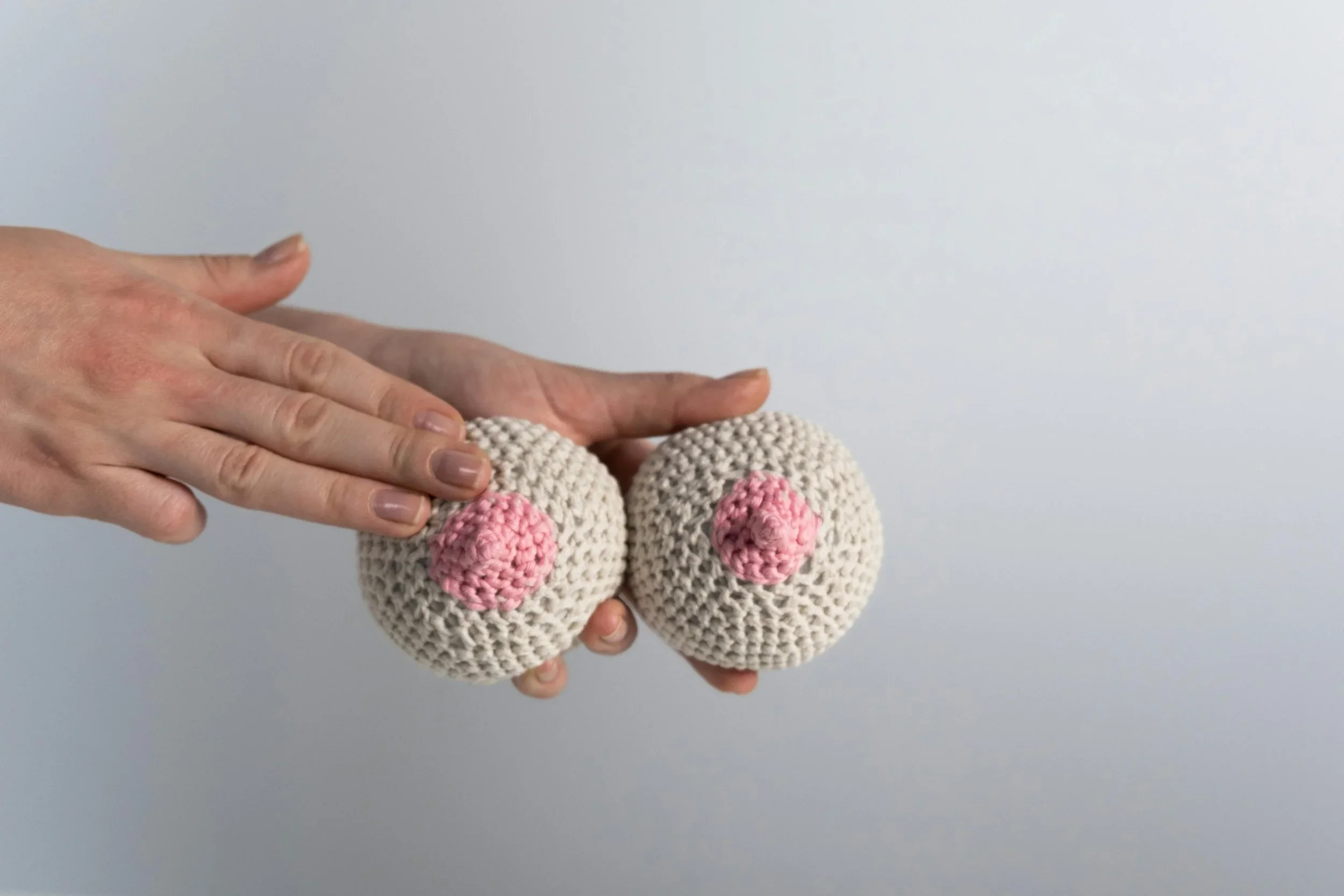
Why Is Breast Self-Examination Important?
With breast cancer affecting 1 in 7 women in their lifetime, caring for your breasts with regular breast self-exams and routine screening play vital roles in early detection of any potential issues.
Being aware of changes in breast tissue, such as lumps, changes in size or shape, or nipple discharge, and promptly reporting these to your healthcare provider is essential.
Maintaining a healthy lifestyle, including regular exercise and a balanced diet, can also contribute positively to breast health.
By staying informed and proactive, individuals can empower themselves to take charge of their breast health and ensure early detection and effective management of any concerns that may arise.
How to Check Your Breasts
Performing a breast self-examination (BSE) is a straightforward yet important method for women to monitor their breast health.
Knowing what is normal for you will help you detect any changes.
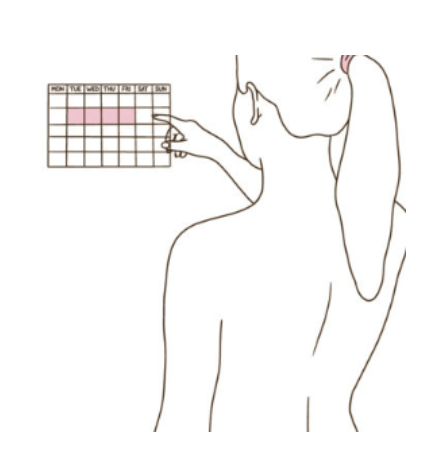
Choose a Time
Perform the examination every month at the same time of your menstrual cycle.
You can be lying down or standing.
Look in the Mirror
Look for any changes in the size, shape, or contour of your breasts.
Check for puckering, dimpling, or changes in skin texture.
Raise Your Arms
Raise your arms above your head and observe your breasts' appearance in this position.
Inspect Your Nipples
Look for any discharge or changes in the nipples.
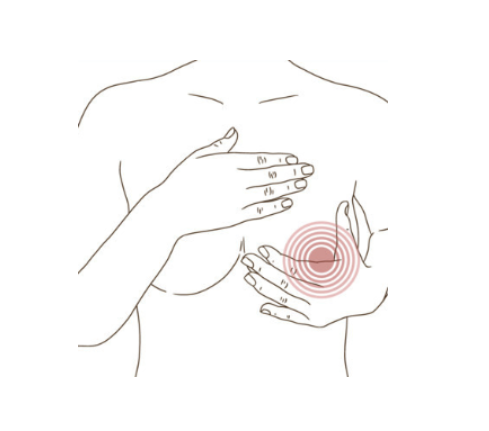
Use the Pads of Your Fingers
Use the pads (not the tips) of your three middle fingers to feel for lumps or thickening in your breast.
Use a Circular Motion
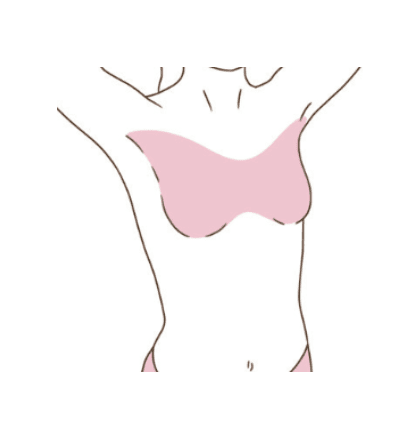
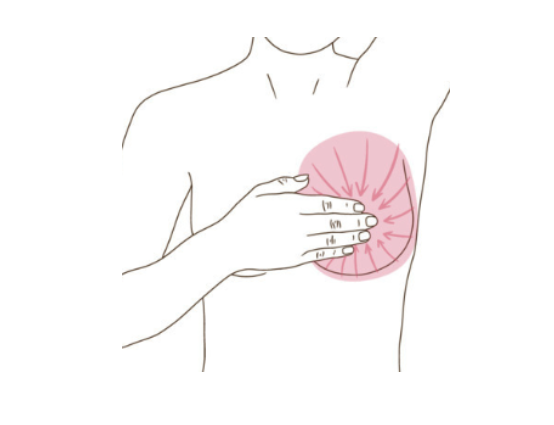
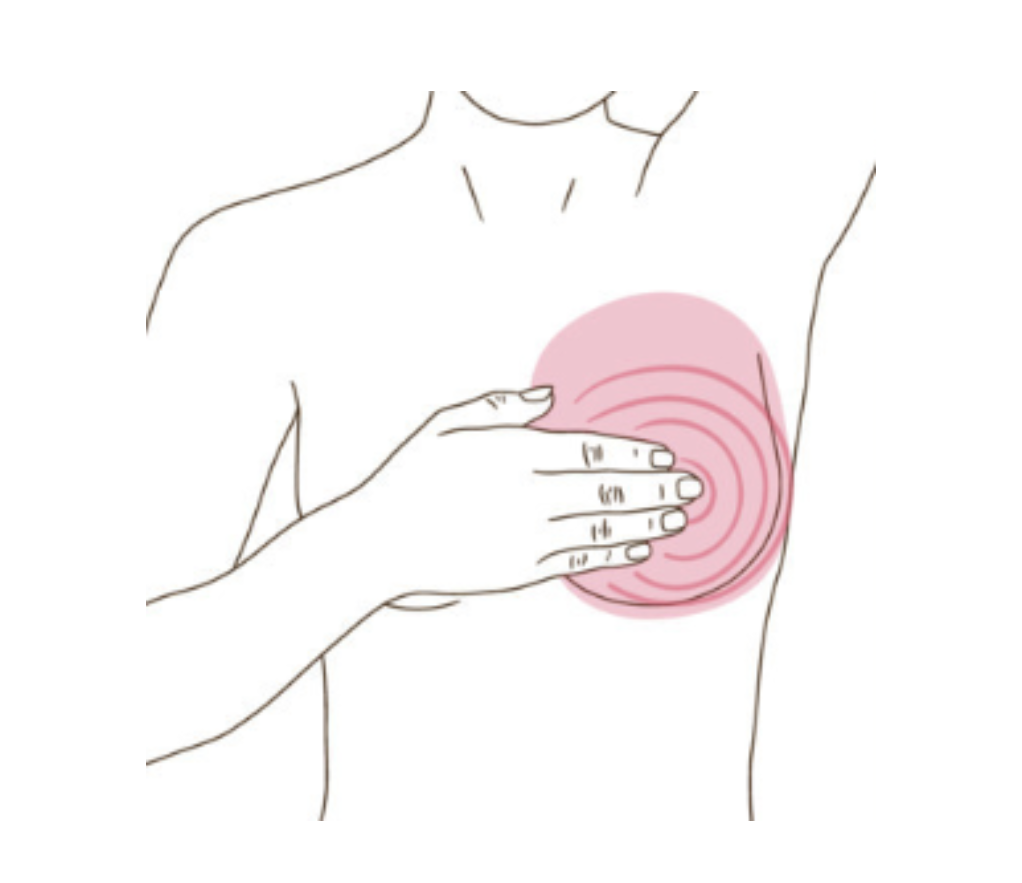
Use a circular motion to feel the entire breast and armpit area.
Cover the breast from top to bottom, side to side — from your collarbone to the top of your abdomen, and from your armpit to your cleavage.
Don’t forget to feel underneath your nipple.
Check Both Breasts
Check both breasts including up towards your armpit and behind your nipple.
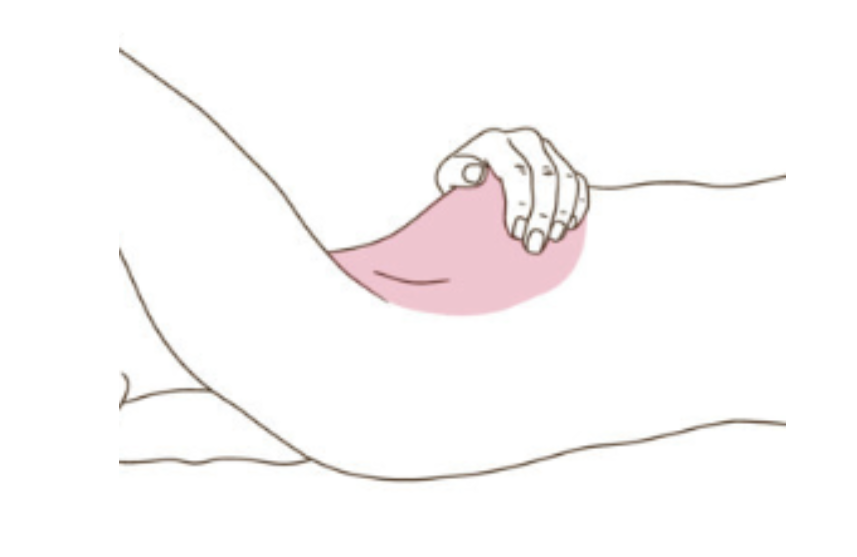
Lie Down
Finally, feel your breasts while lying down.
What Should You Look For?
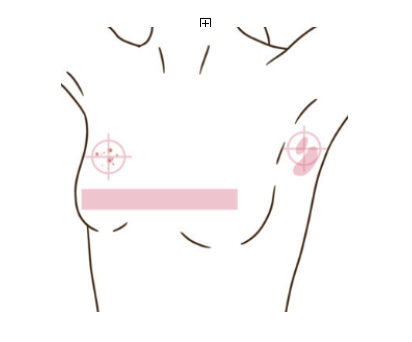
Sometimes breast lumps are very obvious and they feel like a firm pea while other times they feel like a thickened area of tissue.
If you find something that is new or is different, you should talk to your doctor about it.
Remember, most breast changes are benign.
Frequently Asked Questions
-
Perform the examination every month at the same time of your menstrual cycle.
-
You can perform a breast self-examination while standing or lying down.
The examination should also include checking your breasts while lying down.
-
Look for changes in the size, shape, or contour of your breasts, including puckering, dimpling, changes in skin texture, nipple discharge or changes in the nipples.
You should also feel for lumps or thickening in the breast tissue.
-
Use the pads, rather than the tips, of your three middle fingers.
Use a circular motion to feel the entire breast and armpit area, covering the breast from top to bottom and side to side.
-
Yes. Don’t forget to feel underneath your nipple.
-
Yes. Check both breasts including up towards your armpit.
-
Sometimes breast lumps are very obvious and feel like a firm pea, while other times they feel like a thickened area of tissue.
-
If you find something that is new or is different, you should talk to your doctor about it.
Remember, most breast changes are benign.
Helpful Resources
Need Further Advice?
Being aware of changes in your breasts and promptly reporting any new or different changes to your healthcare provider is essential.
Regular breast self-examination and routine screening can play an important role in breast health and the early detection of potential concerns.