
Understanding Your Breast Cancer Pathology Report
What Is a Pathology Report?
A pathology report is a detailed document prepared by a pathologist after examining tissue samples from a biopsy or surgery. It provides important information about your breast cancer, helping your doctors plan the best treatment for you.
What Information Is in the Pathology Report?
Patient and Specimen Details
Your name, medical information, and details about the tissue sample, including how and where it was taken.
Tumour Type
Describes the kind of breast cancer you have. Common types include:
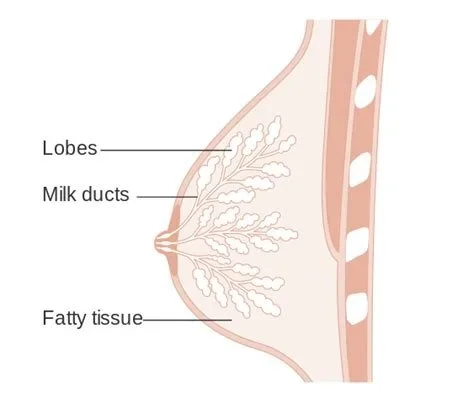
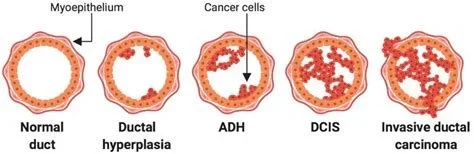
Ductal carcinoma: starts in the milk ducts.
Lobular carcinoma: starts in the milk-producing glands.
The report also indicates whether the cancer is invasive (spreading) or non-invasive (localized).
Tumour Size
The size of the cancer, usually measured in millimetres (mm) or centimetres (cm).
Grade
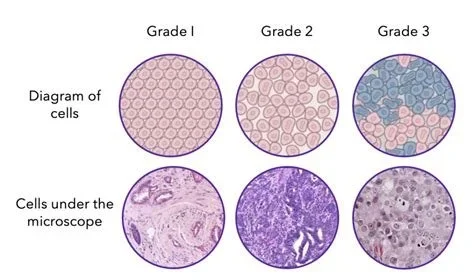
Indicates how abnormal the cancer cells look under a microscope and how quickly they may grow:
Grade 1 (low grade): Slow-growing.
Grade 2 (intermediate grade): Moderate growth.
Grade 3 (high grade): Fast-growing.
Lymph Node Involvement
Shows if cancer has spread to nearby lymph nodes.
The report will specify how many lymph nodes were removed and how many had cancer.
Margins
Refers to the edges of the removed tissue:
Clear margins: No cancer at the edges, suggesting all the cancer was removed.
Positive margins: Cancer cells are at the edges, indicating more tissue may need to be removed.
Receptor Status
Determines whether your cancer responds to hormones or certain proteins.
Estrogen Receptor (ER) and Progesterone Receptor (PR)
If positive, the cancer may grow in response to hormones and could be treated with hormone therapy.
HER2 Status
If positive, the cancer may grow faster but can be treated with targeted therapies.
Triple-Negative Breast Cancer
Lacks ER, PR, and HER2, requiring other treatment approaches.
Ki-67 Index
Measures how quickly the cancer cells are dividing. A higher percentage suggests more aggressive cancer.
Other Features
Additional findings such as the presence of vascular invasion (cancer in blood or lymph vessels).
Why Is the Pathology Report Important?
Your pathology report provides crucial details that help your doctors:
Confirm the diagnosis.
Determine the stage and severity of your cancer.
Plan the most effective treatments, such as surgery, chemotherapy, radiotherapy, or hormone therapy.
What Should You Do With Your Pathology Report?
Ask Questions
If there’s anything you don’t understand, ask your doctor to explain.
Keep a Copy
Your report is an important part of your medical records.
Discuss Treatment Options
Use the report to guide discussions with your healthcare team.
Frequently Asked Questions
-
A pathology report is a detailed document prepared by a pathologist after examining tissue samples from a biopsy or surgery.
It provides important information about your breast cancer and helps your doctors plan the best treatment for you.
-
A pathology report may include patient and specimen details, tumour type, tumour size, grade, lymph node involvement, margins, receptor status, Ki-67 index and other features such as vascular invasion.
-
Tumour grade indicates how abnormal the cancer cells look under a microscope and how quickly they may grow.
Grade 1 is low grade and slow-growing, Grade 2 is intermediate grade with moderate growth, and Grade 3 is high grade and fast-growing.
-
Lymph node involvement shows if cancer has spread to nearby lymph nodes.
The report will specify how many lymph nodes were removed and how many had cancer.
-
Clear margins mean there is no cancer at the edges of the removed tissue, suggesting all the cancer was removed.
Positive margins mean cancer cells are at the edges, indicating more tissue may need to be removed.
-
Receptor status determines whether your cancer responds to hormones or certain proteins.
This includes estrogen receptor (ER), progesterone receptor (PR) and HER2 status.
-
The Ki-67 index measures how quickly the cancer cells are dividing.
A higher percentage suggests more aggressive cancer.
-
The pathology report provides crucial details that help your doctors confirm the diagnosis, determine the stage and severity of your cancer, and plan the most effective treatment.
-
If there’s anything you don’t understand, ask your doctor to explain.
You should also keep a copy of your report as part of your medical records and use it to guide discussions about treatment options with your healthcare team.
Need Further Advice?
Your pathology report provides detailed information about your breast cancer and is essential for determining your treatment plan.
Your healthcare team will explain the findings and how they affect your care.